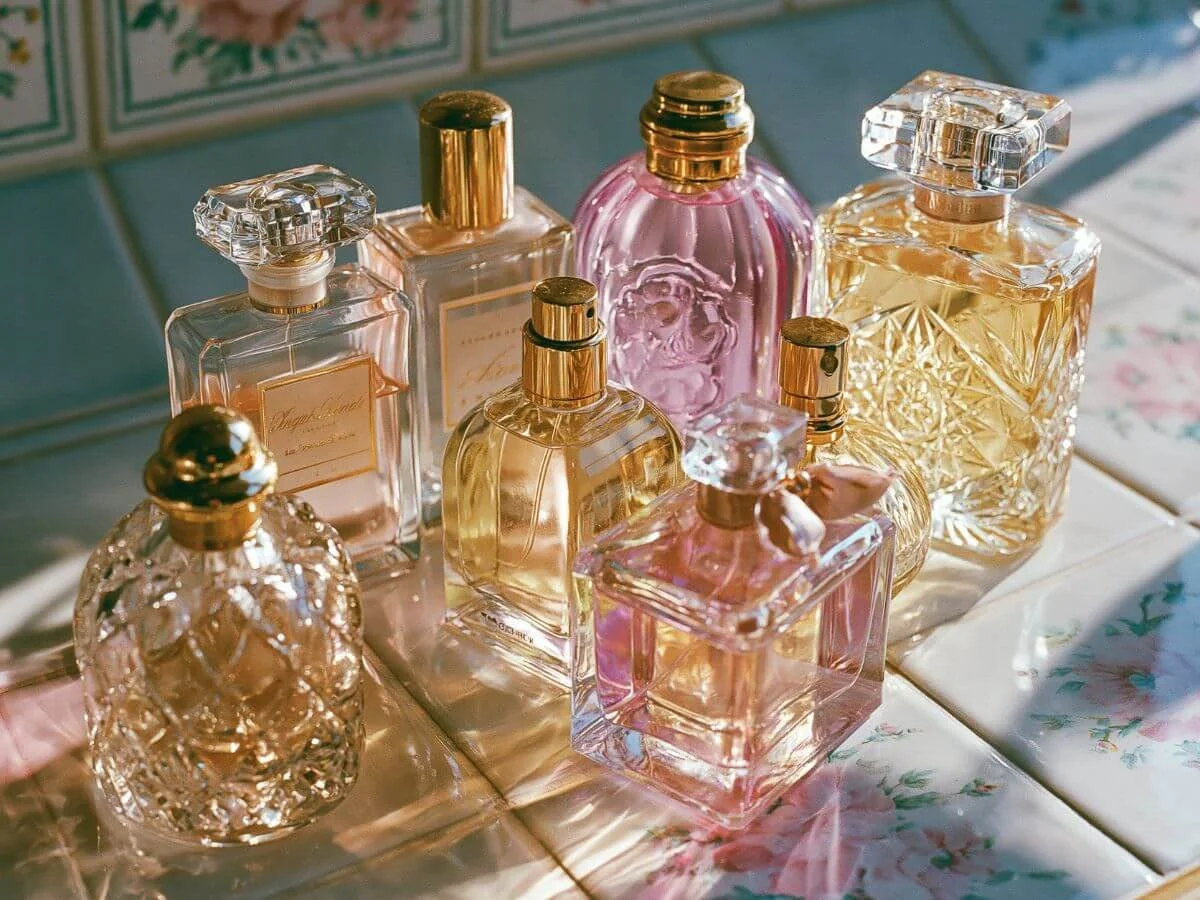
Your no-overwhelm, no-snob guide to finding a fragrance you'll actually love
Okay, real talk — walking into a perfume department for the first time feels like being dropped into a foreign country where everyone speaks a language you don't and someone keeps spraying things at you. It's a lot. But here's the thing: finding a perfume you love is genuinely one of the most personal, exciting things you can do for yourself. It's wearable mood. It's invisible confidence. It's the thing people remember about you long after you've left the room.
So let's cut through the confusion. No intimidating jargon, no elitist gatekeeping — just your best friend who happens to know a ridiculous amount about fragrance walking you through exactly where to start.
What Even Is Perfume? (And Why Does the Bottle Say "Eau de Toilette"?)
Before we get into how to find your scent, let's decode the labels — because this matters more than most people realize. The terms on the bottle tell you how strong and long-lasting the fragrance is, which directly affects the price and how you'll use it.
Parfum (or Extrait de Parfum) is the most concentrated form, typically containing 20–40% fragrance oil. A tiny amount goes a long way, it lasts the longest on skin (often 8+ hours), and it tends to be the priciest. If you find a scent you're obsessed with, this is the version you save up for.
Eau de Parfum (EDP) is the sweet spot for most people — usually 15–20% concentration. It's rich, it lasts a solid 6–8 hours, and it's widely available. Most cult-favorite fragrances live in this category.
Eau de Toilette (EDT) runs lighter at around 5–15% concentration. It's more casual, often more affordable, and perfect for everyday wear or warmer months when you don't want to knock anyone out. It'll last roughly 3–5 hours.
Eau de Cologne (EDC) is the lightest of the bunch — usually under 5% — and fades relatively quickly. Great for a refreshing spritz in the morning.
The beginner move: Start with an Eau de Toilette or Eau de Parfum. They give you the full experience of a fragrance without the commitment (or price tag) of a full Parfum.
The Building Blocks: Understanding Fragrance Notes
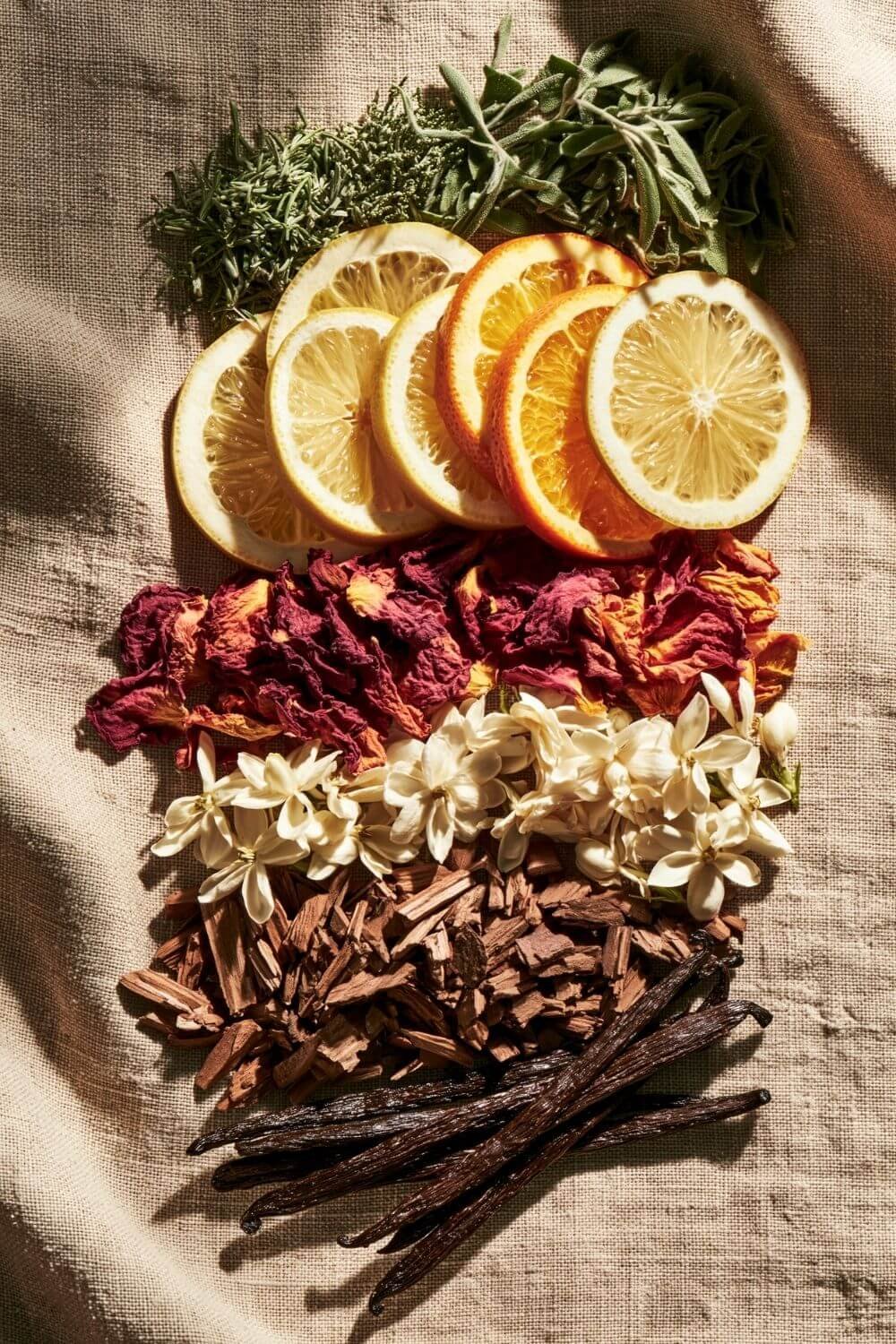
You've probably seen perfume descriptions that say things like "opens with bergamot, heart of jasmine, base of sandalwood" — and maybe your eyes glazed over. Here's why this actually matters and how to use it.
Fragrance is designed to evolve over time in three stages, called notes:
Top Notes are what you smell first when you spray — that immediate first impression. They're bright, fresh, and fleeting, lasting maybe 15–30 minutes. Think citrus, light herbs, green leaves. This is the part that sells you in the store, but don't judge a perfume entirely on its top notes.
Middle Notes (Heart Notes) emerge after the top notes fade and form the true core of the fragrance. This is what the perfume is really about — florals, spices, fruits. They last 2–4 hours and are what you'll smell on your clothes at the end of the day.
Base Notes are the foundation — the deep, rich, lingering notes that appear last and stay longest. Think vanilla, musk, woods, amber, patchouli. Base notes are what makes a fragrance feel warm or cozy or sexy rather than just pretty.
Why this matters for you: When you try a perfume on your skin, give it at least 20–30 minutes before deciding. The first spray is just the opening act. The real story unfolds over the next hour.
Finding Your Scent Family (Without Wasting Money on Wrong Turns)
The fastest way to narrow down what you like is to figure out which scent family speaks to you. Think of it like finding your genre in music — once you know you love indie folk, you stop wasting time in the heavy metal aisle.
Here are the main families and some honest descriptions:
Fresh & Citrus — Clean, bright, energizing. Notes like lemon, grapefruit, bergamot, neroli. These feel like a good morning and a cool breeze. Great for people who want something light and universally likable. Perfect for work, gym, casual everyday wear.
Floral — The biggest fragrance family. From soft and powdery (rose, iris) to lush and heady (gardenia, tuberose) to light and pretty (peony, magnolia). If you love the smell of a beautiful bouquet, start here. Florals can be romantic, feminine, fresh, or even a little edgy depending on how they're composed.
Woody & Earthy — Warm, grounding, sophisticated. Sandalwood, cedarwood, vetiver, oud. These tend to feel more unisex and are having a serious moment right now. If you want something that feels like a cashmere sweater or a moody candle, go woody.
Oriental & Spicy — Rich, warm, sometimes sweet, always a little mysterious. Vanilla, amber, cardamom, cinnamon. These are date-night scents, evening scents, "I want to be remembered" scents. They tend to last forever on skin.
Gourmand — Yes, these smell like food. Vanilla, caramel, coffee, chocolate. Don't knock it until you've tried it — a well-done gourmand is cozy and addictive rather than literally smelling like a bakery.
Aquatic & Ozonic — Fresh, cool, watery, sometimes salty. Think ocean air and clean linen. Great for summer or anyone who finds most perfume "too much."
The self-quiz approach: What candles do you always gravitate toward? What do you love the smell of in real life — a bookstore, a pine forest, fresh laundry, a garden after rain? That's your starting clue.
How to Actually Shop for Perfume (The Right Way)
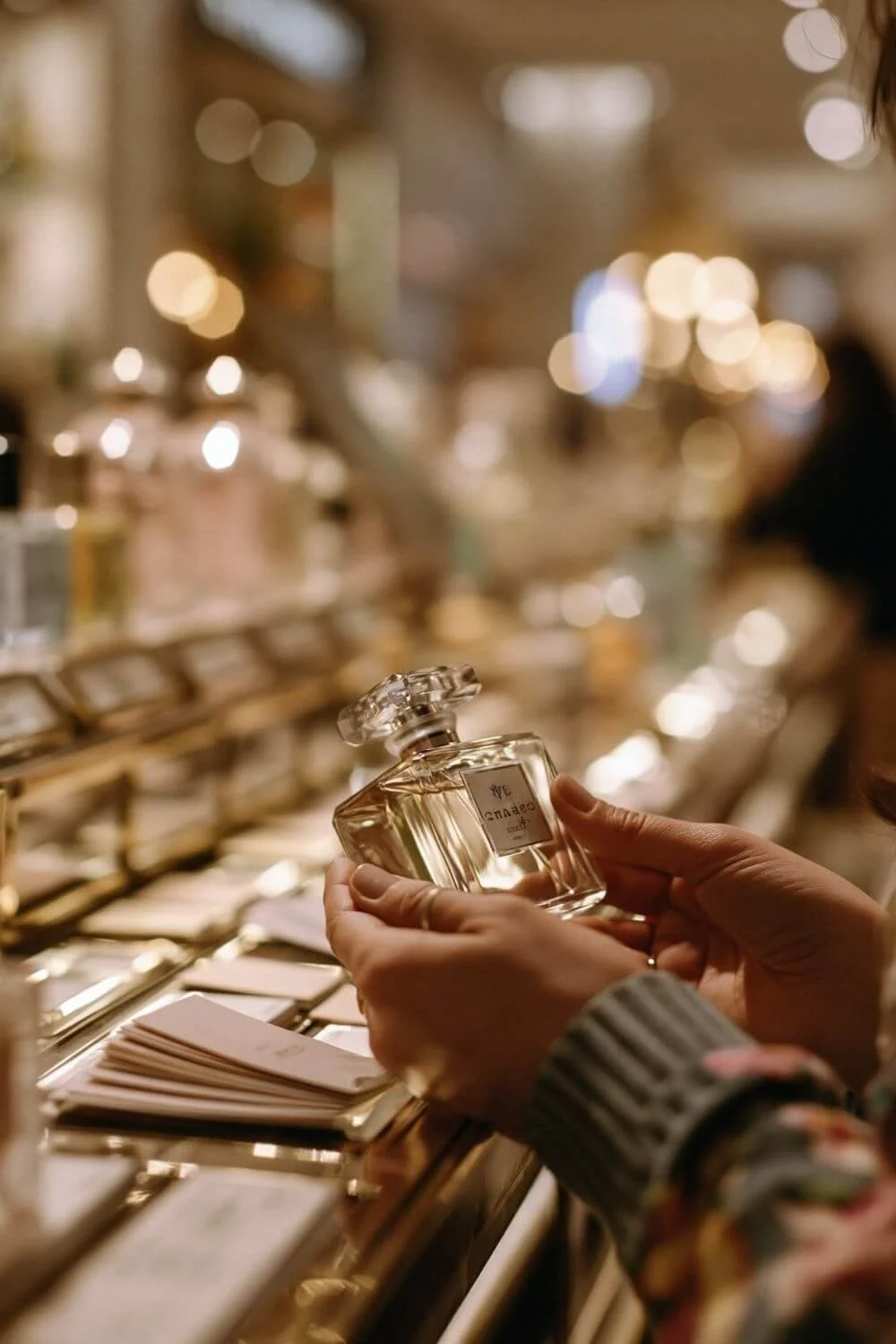
Here's where most beginners go wrong: they smell five things, get overwhelmed, and either buy the wrong thing or walk out empty-handed. Here's how to do it better.
Step 1: Don't trust the bottle — smell the paper strip first. Those little blotter strips (called mouillettes) are your first pass. Use them to eliminate, not to decide.
Step 2: Limit yourself to 3–4 strips per shopping trip. Your nose fatigues quickly. After more than four or five scents, everything starts smelling the same. Less is genuinely more here.
Step 3: Put the ones you like on skin. Perfume interacts with your body chemistry, warmth, and skin pH — which means the same scent can smell completely different on you versus on your friend. The paper strip can only tell you so much.
Step 4: Walk around for at least 20–30 minutes. Grab a coffee. Browse another section of the store. Let the perfume breathe and develop before you commit. The drydown (what the perfume smells like after 30+ minutes) is what you're going to live with.
Step 5: Ask for samples. Most department stores and many indie boutiques will give you a little vial to take home. A scent you love in the store can feel overwhelming in your everyday life — or surprising in the best way. Always test before you buy a full bottle.
Step 6: Order discovery sets online. Brands like Scentbird, Parfums de Marly, Maison Margiela, and many others sell sample kits or mini sets. This is honestly the smartest way to explore without committing to full bottles upfront.
Common Beginner Mistakes (So You Don't Have to Make Them)
Smelling coffee beans between scents. You've probably seen those little bowls of coffee beans in fragrance departments. The idea is that they "reset" your nose — but fragrance experts mostly agree this is a myth. The best palate cleanser? Your own skin, or just stepping outside for some fresh air.
Buying a perfume because someone else loves it. Fragrance is wildly personal. Body chemistry, skin type, diet, and even medication can affect how a scent smells on you. What smells like heaven on your friend might just not work on your skin — and that's totally normal.
Judging a perfume entirely in the store. That rush of "ooh, this is amazing" in the first 30 seconds? That's the top notes doing their job. Give it time before you hand over your credit card.
Over-spraying. More is not more with perfume. Two or three sprays on pulse points (wrists, neck, maybe the inside of your elbows) is usually plenty. Rubbing your wrists together breaks down the molecules and actually changes the scent — so don't do that either.
Storing perfume in the bathroom. Heat and humidity are the enemies of fragrance. Your bathroom is basically the worst place to keep perfume. Store it somewhere cool, dark, and dry — like a drawer or a closet shelf.
Where to Apply Perfume for Maximum Effect
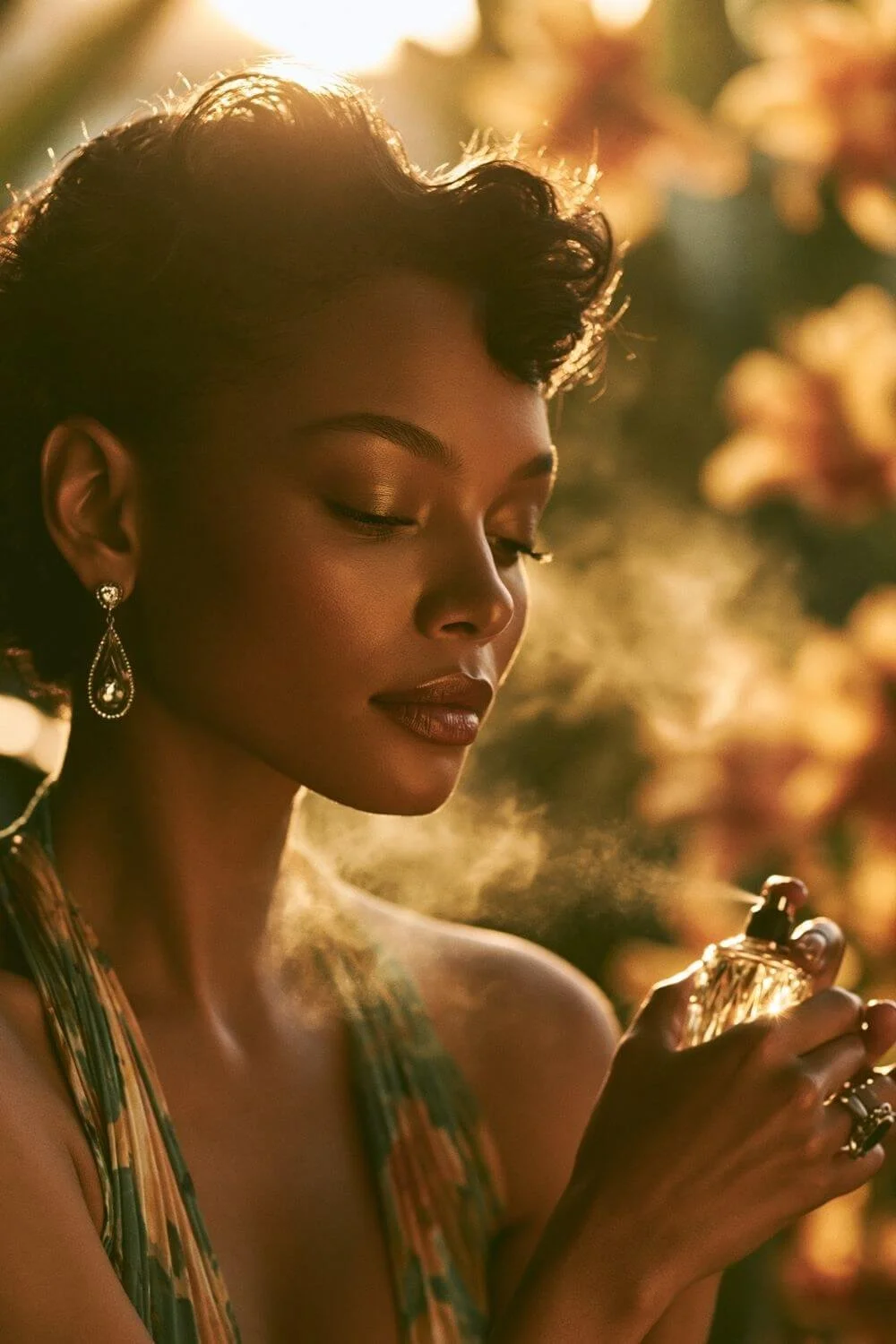
Pulse points are warm spots on your body where blood vessels are close to the surface — and that warmth helps diffuse and amplify fragrance throughout the day. The classics:
Wrists (without rubbing!)
Neck and throat
Inside of elbows
Behind the knees (underrated — especially when you want scent to rise as you move)
Chest/décolletage
One pro tip: spritz a little in your hair or on the ends. Hair holds fragrance beautifully and creates a trail when you move. Just avoid alcohol-heavy formulas directly on color-treated hair.
Budget-Friendly Ways to Explore Fragrance
You do not need to spend $200 to find something you love — especially when you're just starting out. Here are some smart ways to explore:
Discovery sets and sample subscriptions like Scentbird or Snif let you try fragrances without the full-bottle gamble.
Drugstore and mass-market gems — brands like ZARA, & Other Stories, Skylar, and even some Target exclusives punch well above their price point. Seriously, don't sleep on these.
Decant communities — sites like Scent Split or Reddit's r/fragrance community let you buy small decants of high-end fragrances for a few dollars. This is how fragrance fans explore expensive niche perfumes without selling a kidney.
Department store gift sets — especially around the holidays, brands put together sets of their bestsellers in smaller sizes at a fraction of the individual bottle cost.
A Few Starting Recommendations by Vibe
Not going to prescribe a perfume to you — that's not how this works — but here are some crowd-pleasing starting points to explore by mood:
If you want something clean and universally loved: Look for anything with notes of white musk, clean woods, or soft florals. Maison Margiela's Replica line is a great starting point.
If you want something cozy and warm: Reach for vanilla, sandalwood, or amber base notes. Gourmand and oriental families are your playground.
If you want something fresh and not too heavy: Citrus, aquatic, or green tea notes. Perfect for first fragrance explorations.
If you want to smell interesting and unexpected: Explore niche or indie brands. Perfumers like Le Labo, Byredo, or Juliette Has a Gun make things that don't smell like anything you'd find at the mall.
The Bottom Line
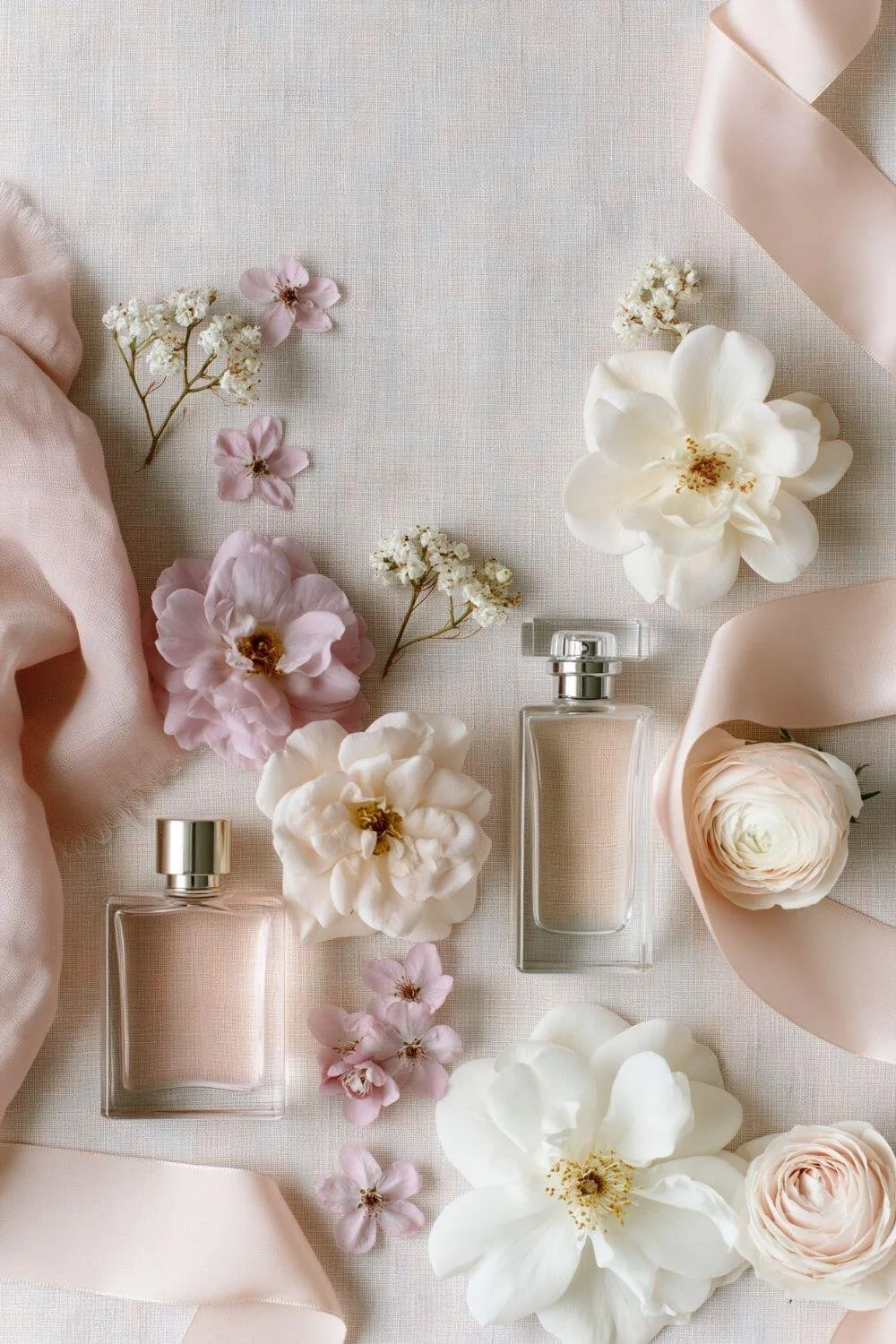
Finding your perfume is a journey, not a transaction. The best fragrance isn't the most expensive one or the most popular one — it's the one that makes you feel like yourself, maybe just a more elevated, intentional version of yourself.
Start slow. Explore without pressure. Get samples. Trust your nose over everyone else's opinion. And know that your taste will evolve — what you love at 22 might be completely different from what you reach for at 35, and that's part of the fun.
Welcome to fragrance (The Parlor Scent Lab). It's a delightful rabbit hole, and we're so glad you're here.
Have a fragrance question? Drop it in the comments — we read every single one. And if you found this helpful, share it with a friend who's been meaning to find their signature scent.
Before You Leave the Parlor…
Don't slip out without signing the guest book — just drop a note in the comments below. Tell us what you loved, what you're trying next, or say hello. We love knowing who stopped by. 💕
