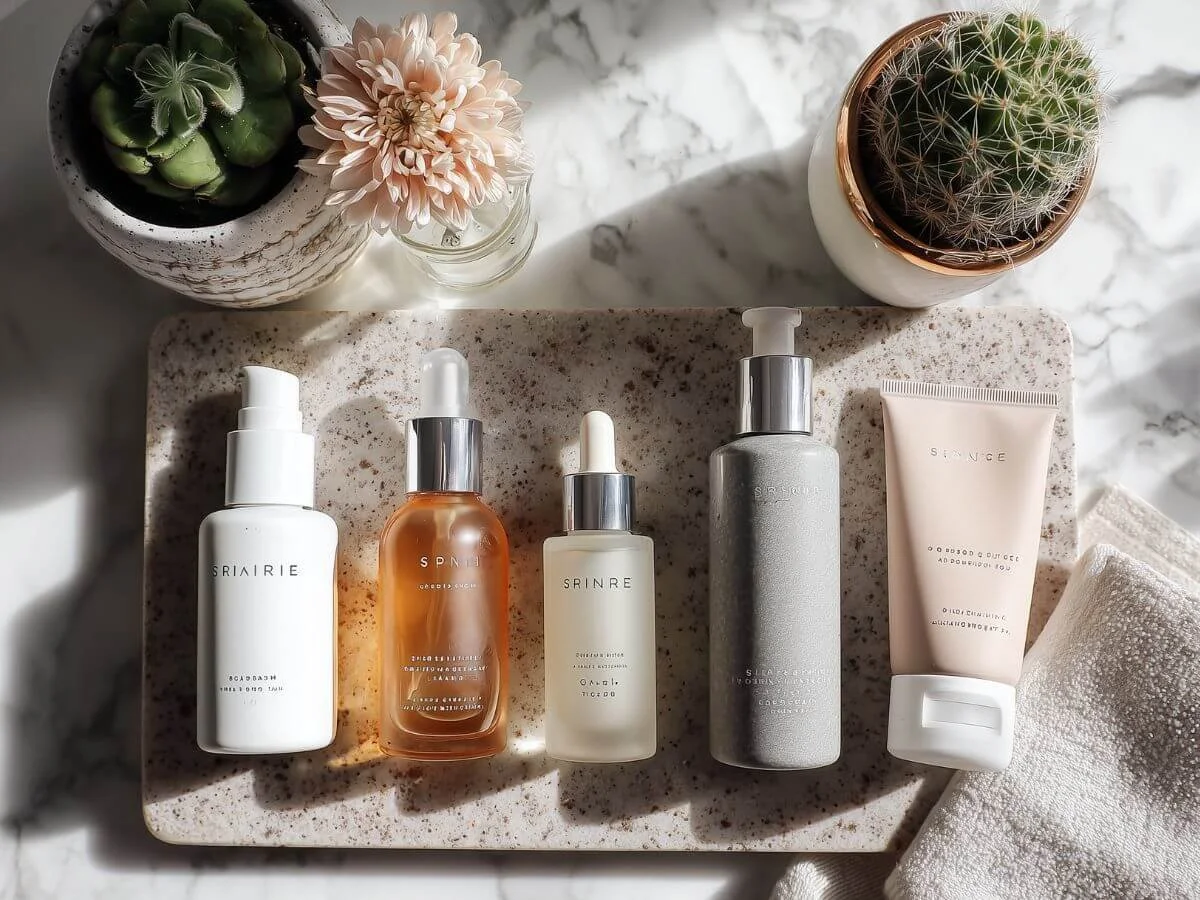
The Art of Layering Skincare
If you’ve ever wondered why your products don’t seem to work together, the answer might not be what you’re using — it’s how you’re using it.
Layering skincare is like cooking a perfect meal: timing, texture, and technique matter just as much as the ingredients. When done correctly, layering allows every product to absorb properly, complement each other, and deliver their best results.
At The Pretty Skin Parlor, we like to think of layering as an art form — one where intention meets science. This guide will teach you exactly how to apply your products in the right order, how to build routines that suit your skin type, and how to get that effortless, lit-from-within glow without wasting a drop.
Let’s begin your masterclass in mindful layering.
The Science of Absorption
To layer skincare like a pro, you first need to understand what’s happening beneath the surface.
Your skin isn’t just one smooth layer — it’s made up of multiple strata. The outermost layer, the stratum corneum, acts as a gatekeeper. It decides what gets in and what stays out.
Here’s the golden rule of skincare science: thinner products go first, thicker products go last.
Why? Because lightweight formulas (like toners and serums) contain smaller molecules that can slip through the skin barrier. Heavier creams and oils have larger molecules that sit on top, sealing in everything underneath.
If you apply products in the wrong order — say, a thick cream before a watery serum — you create a barrier that blocks absorption. The result? Waste, frustration, and dull skin.
✨ Texture theory simplified:
Water-based = lightweight and absorbent
Oil-based = richer and occlusive
Always move from watery → creamy → oily
Your Core Routine Order (AM & PM)
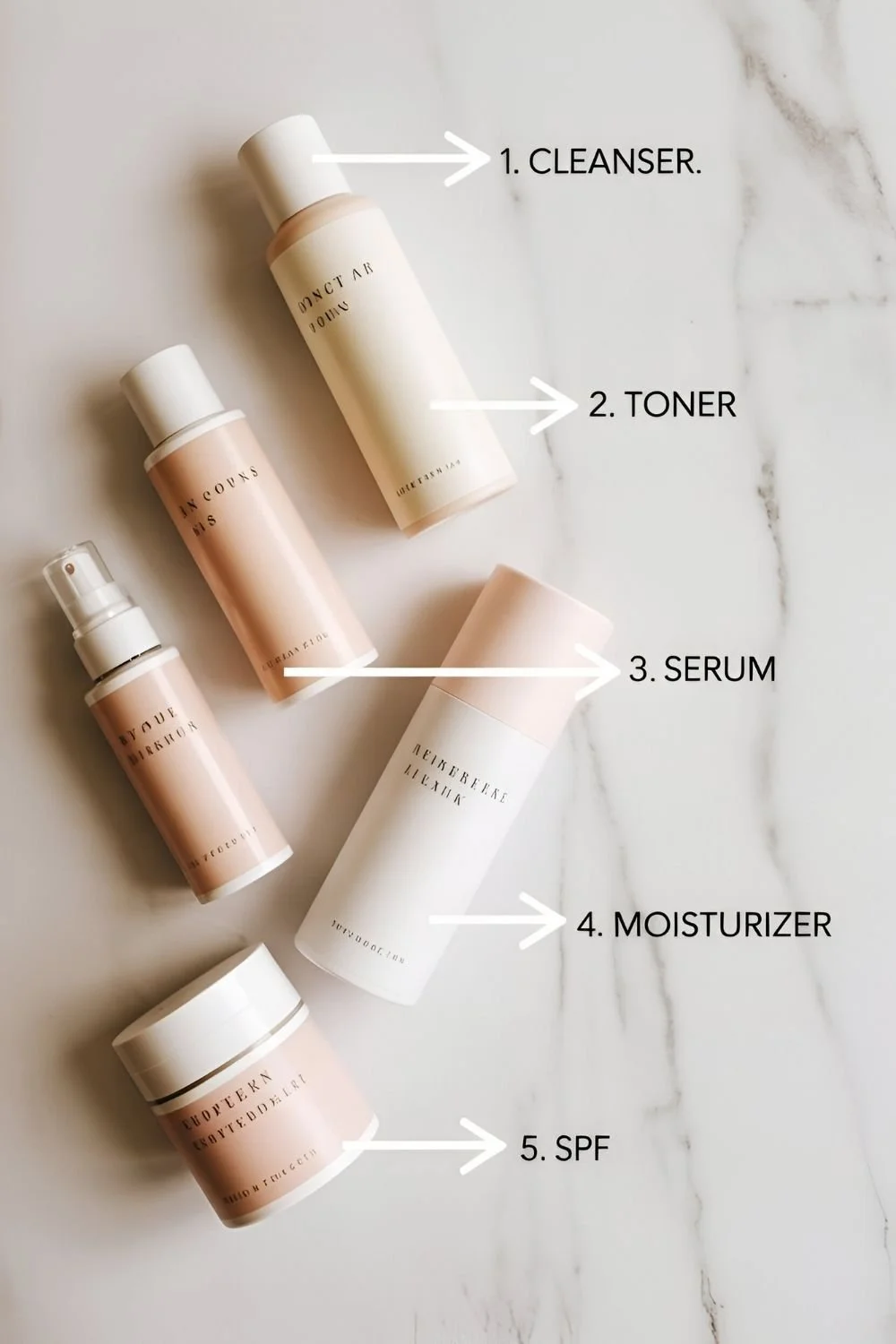
Here’s how to layer your daily routine for the best results — whether you’re keeping it simple or going full spa mode.
Morning Routine (Protect & Prepare)
Cleanser: Start fresh. A gentle, pH-balanced cleanser removes oil and overnight buildup.
Toner or Essence: Adds a first layer of hydration and preps the skin for absorption.
Serum: Use a treatment serum like Vitamin C for glow and antioxidant protection.
Moisturizer: Locks in hydration and smooths skin for makeup.
Sunscreen (SPF 30+): The final and most important step — your invisible shield against aging.
Optional: Facial mist (before moisturizer) or eye cream (before sunscreen).
Evening Routine (Repair & Restore)
Makeup Remover or Oil Cleanser: Melts away makeup, SPF, and the day’s impurities.
Water-Based Cleanser: Double cleanse for a truly fresh start.
Toner or Hydrating Mist: Helps restore balance after cleansing.
Treatment Serum: Retinol, peptides, or exfoliating acids (use wisely).
Moisturizer: Hydrate and seal.
Face Oil or Overnight Mask (optional): For extra nourishment and barrier repair.
🌙 Pro tip: Always wait 30–60 seconds between layers to let each absorb fully.
Understanding Textures, Bases, and Formulas

Texture isn’t just aesthetic — it determines how your products behave.
Water-Based vs. Oil-Based
Water-based products (like gels and serums) sink into the skin quickly and target specific concerns. Oil-based products (like facial oils or heavy creams) sit on top to lock everything in.
How to tell:
If water is the first ingredient on the label, it’s water-based. If it lists oils or butters first, it’s oil-based.
Serums vs. Essences vs. Ampoules
Essences are watery and hydrating — prep your skin.
Serums are concentrated — deliver actives.
Ampoules are supercharged treatments — use occasionally.
The correct order: Essence → Serum → Ampoule → Moisturizer.
When a Product Feels Too Heavy or Too Light
If your skin feels greasy, you’re over-layering or using too-rich formulas.
If your skin feels tight or dry after layering, you may need thicker textures or a sealing oil.
The Pretty Skin Parlor Layering Method™
We teach what we call The Layering 5 — five simple rules that make every routine seamless.
From thin to thick: Always.
Hydrate first: Damp skin absorbs better.
One new product at a time: Test for 5–7 days before adding another.
Lock in moisture: End with a cream or oil.
Listen to your skin: Adjust daily based on how it feels, not how it “should” feel.
Tips by Skin Type
Oily Skin: Use lightweight layers — gel moisturizers, water serums, no heavy oils.
Dry Skin: Double up on hydration — layer humectants (hyaluronic acid) under rich creams.
Combination Skin: Treat different zones differently — lightweight in the T-zone, richer on the cheeks.
Sensitive Skin: Use minimal layers, no harsh actives, and wait between steps to reduce irritation.
When to Layer Active Ingredients (and When Not To)
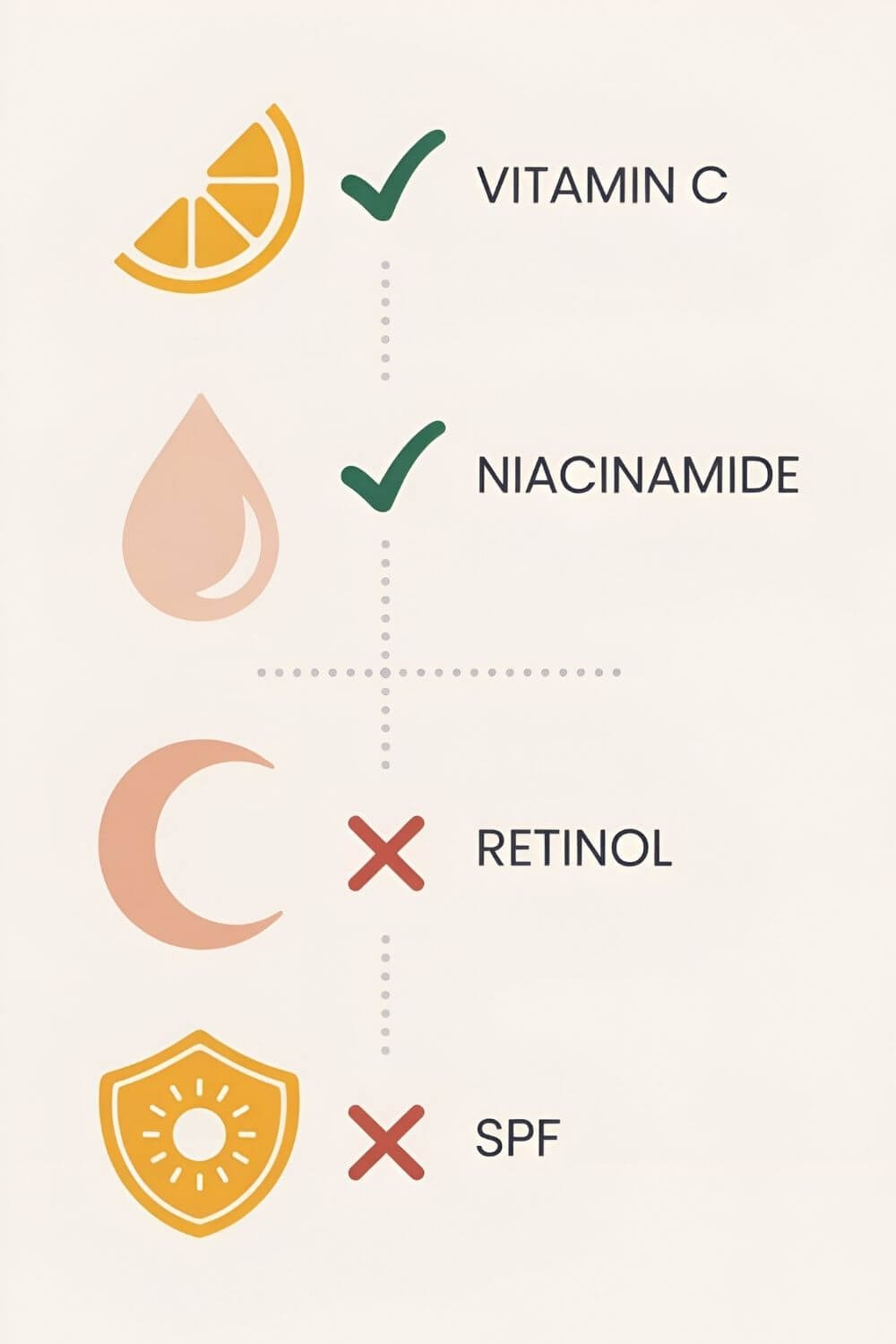
Layering actives correctly can make or break your skin barrier.
✅ Ingredients That Play Well Together
Niacinamide + Hyaluronic Acid: Hydrates and calms at once.
Vitamin C + SPF: Morning dream team for glow and protection.
Peptides + Anything: Gentle and compatible with all.
⚠️ Ingredients to Separate (Alternate Days or AM/PM)
Vitamin C + Retinol: Competes for absorption and may irritate.
Benzoyl Peroxide + Retinol: Cancels out benefits.
✨ Timing Tip:
Use your actives on clean, dry skin before moisturizer for maximum penetration.
☀️ AM vs. 🌙 PM Layering — The Intentional Difference
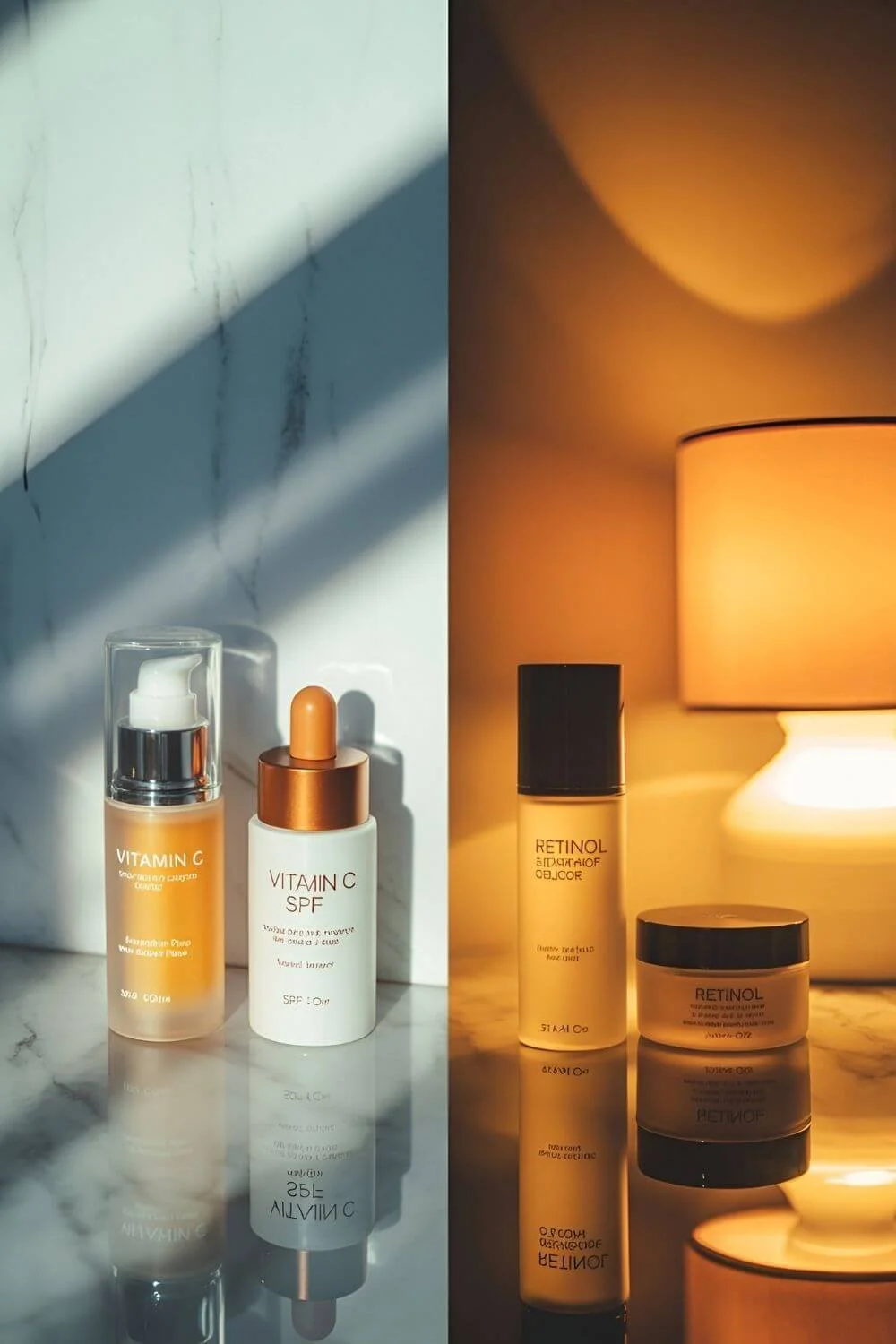
Daytime = Defense. Your focus is protection from sun, pollution, and oxidation.
Nighttime = Renewal. This is when your skin naturally repairs, so you support it with restorative ingredients.
Example: Morning Routine for Bright Skin
Example: Evening Routine for Renewal
Niacinamide or Retinol Serum
Optional: Face Oil
Simple, effective, and designed to let your skin breathe.
🚫 How to Fix Common Layering Mistakes
If your skincare isn’t delivering, here’s why:
1. You’re Using Too Much
Your skin can only absorb so much. Think “less, but layered well.” Pea-sized for serum, nickel-sized for moisturizer.
2. You’re Rushing
Let each layer set before adding the next.
Moisturizer applied too soon can dilute your serum and reduce its potency.
3. You’re Mixing Actives Incorrectly
Layering too many actives can cause redness or breakouts. Simplify.
4. You’re Ignoring Environmental Factors
In winter, seal everything with an oil or balm. In humid weather, skip heavy creams.
5. You’re Skipping SPF
All your work means nothing without protection. Sunscreen is the most important layer you’ll ever use.
Advanced Layering — Once You’ve Mastered the Basics
Once you’re confident, you can elevate your routine intentionally.
Face Oils
Seal in hydration as your final step. Apply 1–2 drops over moisturizer.
Facial Mists
Mist between layers to boost hydration — especially before serums or after exfoliating.
Boosters
Add a few drops of a high-potency booster (like peptides or antioxidants) to your moisturizer for tailored results.
Seasonal Adjustments
Summer: Lighter, water-based formulas.
Winter: Thicker creams, barrier balms, and oils.
Your skin’s needs shift — and so should your layers.
The Pretty Skin Parlor Philosophy — Skincare, with Intention
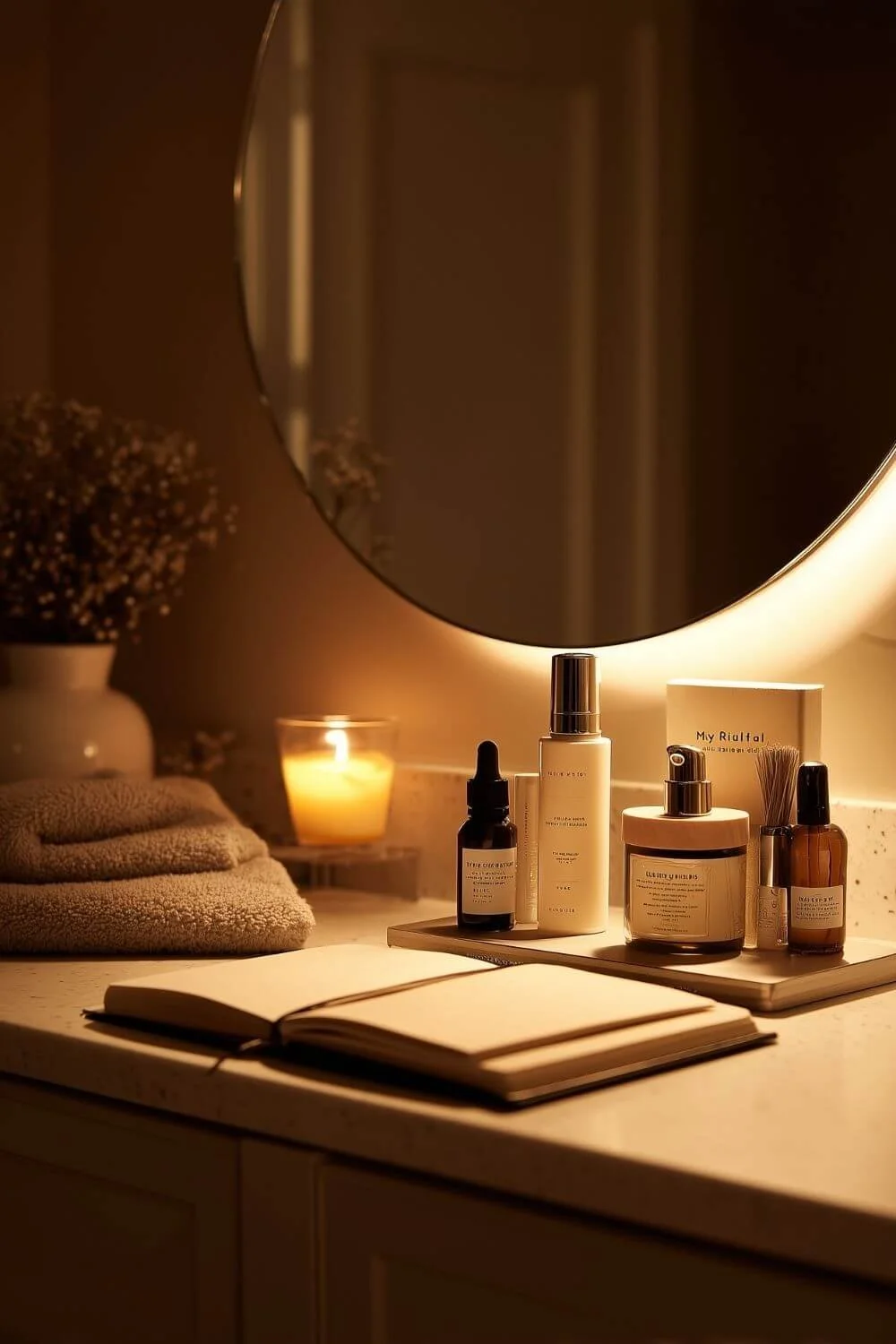
Layering isn’t about having the most products. It’s about understanding your skin well enough to know what it truly needs.
At The Pretty Skin Parlor, we teach mindful beauty — every product has a purpose, and every layer tells a story of care.
Whether you’re a beginner or a skincare enthusiast, remember: great skin isn’t rushed, it’s cultivated.
When you slow down and layer with intention, you give your skin exactly what it’s asking for.
Because here at The Pretty Skin Parlor, we believe every glow begins with care — and skincare, with intention. 💫
Before You Leave the Parlor…
Don't slip out without signing the guest book — just drop a note in the comments below. Tell us what you loved, what you're trying next, or say hello. We love knowing who stopped by. 💕
