
You spray on your favorite perfume, enjoy its lovely fragrance, and then, an hour or two later, you can barely smell it. Has your perfume really faded that quickly, or has your nose simply stopped noticing it? Here's what fragrance research tells us.
You find a perfume you absolutely adore.
Perhaps it's a soft, romantic floral, a creamy vanilla with a touch of warmth, or a sophisticated musk that makes you feel beautifully put together.
You give yourself a few spritzes before leaving the house, enjoy that wonderful first impression, and go about your morning.
An hour or two later, you bring your wrist toward your nose.
Almost nothing.
Now you're wondering whether you should have sprayed more, chosen a different perfume, or perhaps saved your money altogether.
After all, shouldn't a good fragrance last longer than this?
Here's something worth knowing: If you can smell your perfume for only an hour or two, it doesn't necessarily mean the fragrance has disappeared. Your sense of smell may have adapted to it, the more noticeable opening notes may have faded, or the perfume may genuinely have a short wear time.
These are three different explanations, and understanding the difference can save you from unnecessarily replacing a perfume you love.
Let's explore what's actually happening and how to find out whether your fragrance is still there.
The Parlor™ Takeaway
If your perfume seems to disappear after an hour or two, don't assume it's gone. Your nose may have become accustomed to the scent, its brighter notes may have faded, or the fragrance may naturally have a short wear time.
What to do: Give your nose a break, check whether a softer scent remains close to your skin, and consider asking someone else if they can still detect it. If your perfume has genuinely faded, a modest refresh may be all you need.
Your Nose May Have Stopped Noticing Your Perfume
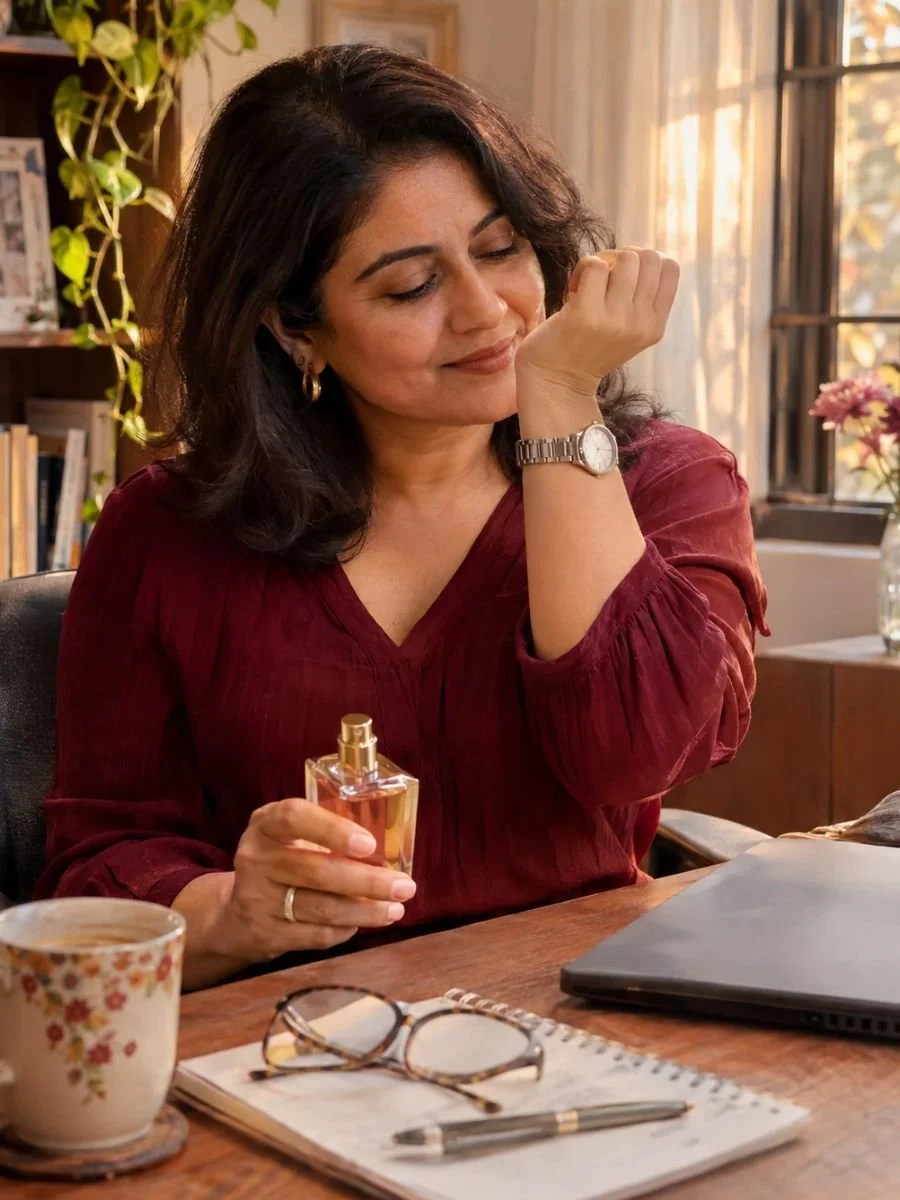
One of the most interesting things about wearing perfume is that your sense of smell doesn't respond to a familiar fragrance the same way it responds to a new one.
Your nose is constantly processing the scents around you, but it becomes less responsive to some odors after continued exposure.
And that can make your perfume seem to disappear surprisingly quickly.
1. Olfactory Adaptation Can Make Your Fragrance Seem Weaker
Imagine walking into a room where someone has arranged a beautiful bouquet of fragrant flowers.
When you first enter, the aroma is unmistakable.
But after sitting in the room for a while, you hardly notice it.
The flowers haven't suddenly stopped releasing their fragrance.
Your sense of smell has become less responsive to the familiar scent.
A similar process can happen with perfume.
It's called olfactory adaptation, often described as becoming nose-blind.
Research published in Chemical Senses explains that repeated or prolonged exposure to an odor can temporarily reduce our sensitivity to it.
The degree of adaptation depends on factors such as the strength of the odor and how long we've been exposed to it.
This means you might stop noticing your perfume even though some of its fragrance materials remain on your skin.
According to The Perfume Society, people can become accustomed to their own fragrance even when others can still detect it.
That isn't a fixed timetable for everyone, but it illustrates how scent perception can change.
The Pretty Skin Parlor™ advice: Don't automatically reach for another spray simply because you can no longer smell your perfume. Give your nose a break before deciding whether the fragrance needs refreshing.
You may discover that your scent is still noticeable later.
2. Some Fragrance Ingredients Are Harder for Certain People to Smell
Here's something even more fascinating.
Not everyone perceives the same fragrance ingredients with equal sensitivity.
Two people can smell the same perfume and experience it differently.
One may notice a beautiful soft musk, while another barely detects that particular part of the composition.
Scientists have identified genetic differences that influence how strongly people perceive certain odor molecules.
For example, a 2023 study published in PLoS Genetics found that variations in a human olfactory receptor gene were associated with differences in sensitivity to certain musk compounds.
This doesn't mean everyone who has difficulty smelling a musk perfume has a genetic inability to detect it.
Nor does it explain every fragrance that seems to disappear after an hour.
But it demonstrates something important: the same perfume doesn't necessarily smell equally strong to everyone.
A fragrance containing materials you're naturally less sensitive to may seem unusually faint, even when someone else finds it quite noticeable.
This is one reason testing perfume on your own skin is more useful than relying entirely on someone else's description of its strength.
The Perfume May Be Changing on Your Skin

Now let's consider what's happening to the fragrance itself.
When you spray perfume, its aromatic materials begin evaporating at different rates.
The perfume gradually develops, and the qualities that made the strongest first impression may not be the ones that remain later.
3. Your Favorite Opening Notes May Have Faded
Think about a perfume that opens with sparkling lemon, fresh bergamot, and a delicate bouquet of flowers.
For the first few minutes, that brightness is absolutely lovely.
But an hour later, the perfume smells softer.
The citrus has faded, and perhaps a gentle floral or musky scent remains.
If you especially loved that fresh opening, you may feel as though the entire perfume has disappeared.
In reality, the fragrance may simply have moved into another stage.
Perfumes are traditionally described in three parts:
Top notes: The opening impression, often bright, fresh, or citrusy. These generally evaporate relatively quickly.
Heart notes: The central character of the perfume, which may include flowers, spices, or aromatic ingredients.
Base notes: The foundation that remains as the fragrance settles, often associated with woods, musk, amber, vanilla, and other persistent materials.
According to DermNet's guide to fragrances and perfumes, top notes commonly fade within approximately 5 to 30 minutes, while other fragrance materials can remain noticeable much longer.
These are general descriptions, not exact schedules for every perfume.
The important thing is that a perfume's scent changes as different materials evaporate.
And sometimes the quieter stage is so different from the opening that you don't immediately recognize it as the same fragrance.
4. Your Perfume May Have Settled Into a Skin Scent
Have you ever noticed that a perfume smells quite strong when you first apply it, but a couple of hours later, you can only detect it when you bring your wrist close to your nose?
That doesn't necessarily mean the perfume has poor longevity.
It may have become a skin scent.
A skin scent is a fragrance, or a stage of a fragrance, that remains noticeable mainly at close range rather than projecting strongly into the surrounding air.
There's an important distinction here.
Longevity refers to how long a perfume remains detectable.
Projection refers to how far its scent travels from your skin.
A fragrance might project noticeably during its opening and then remain detectable close to your skin for several more hours.
If you expect to smell your perfume continuously without bringing your wrist toward your nose, that softer stage may feel disappointing.
But it doesn't automatically mean the perfume has stopped performing.
Some fragrances are designed to be subtle and intimate.
Others make a stronger impression.
Understanding which experience you enjoy can help you choose perfume more confidently.
Sometimes Your Perfume Really Does Fade Quickly
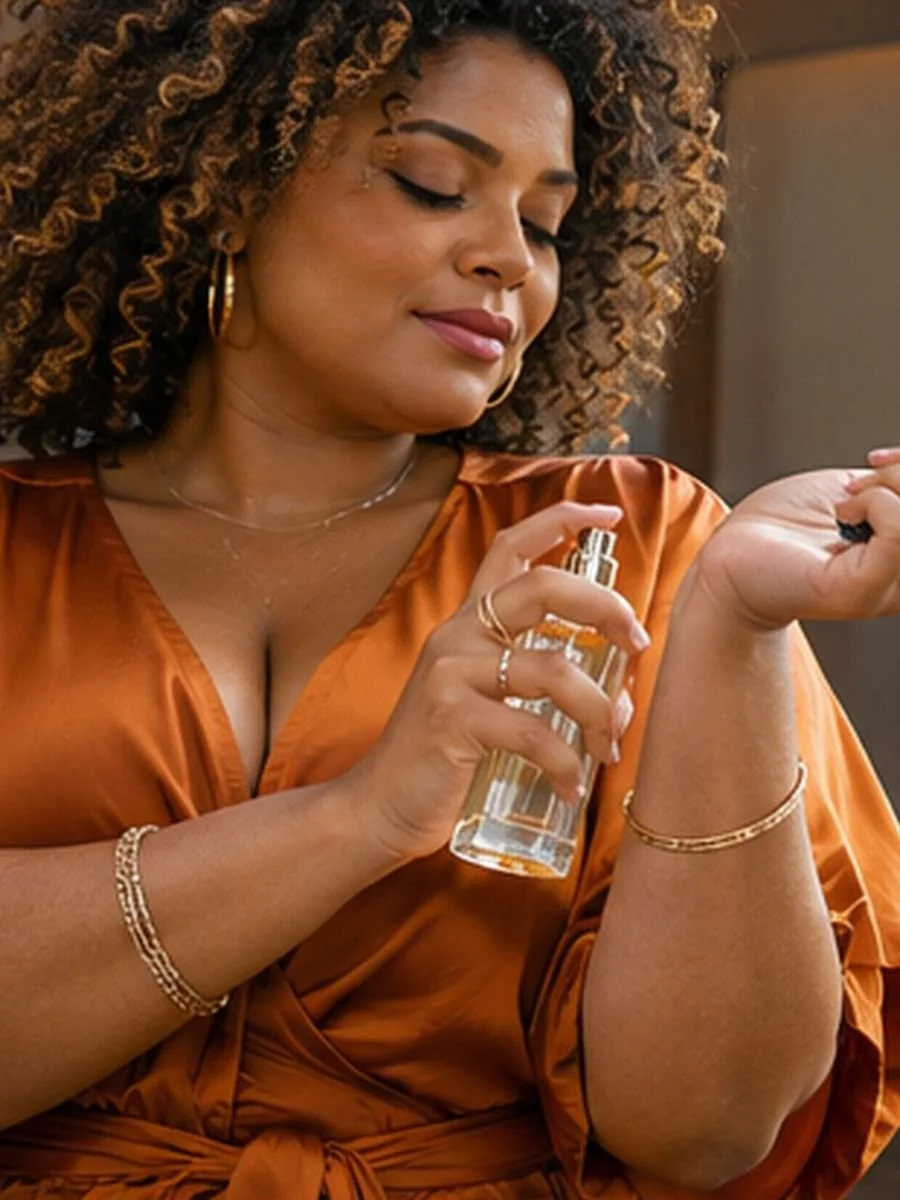
Of course, olfactory adaptation isn't the explanation every time.
Some fragrances genuinely become very faint within an hour or two.
And there are several reasons that might happen.
5. Your Perfume's Composition May Be Naturally Light
A bright, refreshing Eau de Cologne or delicate body mist may have a shorter noticeable wear time than a richer fragrance containing more persistent aromatic materials.
But fragrance concentration isn't a guarantee.
An Eau de Parfum doesn't automatically last longer than every Eau de Toilette.
The specific materials used in the formula, along with the way they're combined, influence how the perfume behaves.
For example, a fragrance built around a particularly fleeting fresh opening may lose much of its initial intensity relatively quickly.
That doesn't necessarily make it poorly formulated.
Some people love the freshness of lighter fragrances precisely because they don't remain strong throughout the day.
If you prefer something that stays noticeable for longer, testing fragrances with more persistent compositions may help you find a better match.
Fragrance Longevity: A Quick Reference
Wondering how long different perfume concentrations generally last?
Here's a simple guide to help you understand what you might expect.
Fragrance typeApproximate wear timeEau FraîcheAround 1 hourEau de Cologne (EDC)Around 2 hoursEau de Toilette (EDT)Around 2–3 hoursEau de Parfum (EDP)Around 4–5 hoursParfum / Extrait de ParfumAround 8 hours, sometimes longer
Source: DermNet — Fragrances and Perfumes. These are general estimates, not guaranteed wear times.
Actual longevity varies considerably between individual formulas, even within the same concentration category.
What this means for you: If you're wearing a traditional Eau de Cologne, noticing that the fragrance has become faint after two hours may be perfectly normal. But if your Eau de Parfum becomes difficult to detect after the same amount of time, it's worth checking whether it has truly faded or whether your sense of smell has adapted to it.
A concentration label offers a useful starting point, but it cannot predict exactly how long a particular perfume will last on your skin.
6. Your Skin Can Influence How Your Perfume Evaporates
Your skin may also influence how fragrance materials behave after application.
A 2025 study published in the International Journal of Cosmetic Science examined the evaporation of fragrance molecules on the skin of ten volunteers.
The researchers found that skin characteristics, including hydration, surface roughness, and water loss, influenced the evaporation of certain fragrance molecules.
However, the effects differed depending on the molecules being studied.
The research was small and didn't establish exactly how long a finished commercial perfume would last on different skin types.
So while it's reasonable to consider your skin when evaluating a perfume's performance, it's important not to assume that dry skin is always the explanation.
Daily activities can also affect how much fragrance remains on your skin.
Frequent handwashing may remove perfume applied to the wrists, while perspiration, friction, and changing temperatures can influence its wear.
A perfume worn during a quiet morning indoors may behave differently from the same fragrance worn on a hot, busy afternoon.
How Can You Tell Whether Your Perfume Is Really Gone?

Now that we've looked at the possible explanations, here's the question that matters most.
How do you tell whether your perfume has actually faded or whether you've simply stopped noticing it?
You can't determine that perfectly by repeatedly sniffing your own wrists.
In fact, doing so may make it harder to judge the fragrance because you're continually exposing your nose to the same scent.
But there are a few simple things you can try.
The Parlor Notes: A Simple Test for Disappearing Perfume
The next time you wear a perfume that seems to vanish after an hour or two, try this little experiment.
Apply your perfume as usual. Choose a comfortable area of clean skin and use your normal amount.
Notice the opening. Enjoy the fragrance when you first apply it, but avoid checking it every few minutes.
Wait an hour or two. Go about your usual activities and allow the perfume to develop.
Check the fragrance close to your skin. Bring your wrist toward your nose. Can you detect a softer version of the scent?
Ask for another opinion. If someone you trust is comfortable helping, ask whether they can still detect your perfume.
Try again another day. Repeat the test under similar conditions to see whether the same pattern occurs.
If you can barely smell the fragrance but someone else detects it comfortably, your own scent adaptation may be contributing.
If the perfume remains noticeable only very close to your skin, its projection may have decreased.
And if the fragrance becomes faint to both of you, it may genuinely have a shorter wear time.
Remember that people have different sensitivities to fragrance ingredients, so another person's opinion isn't a perfect measurement.
This simple test won't give you a laboratory result, but it can help you better understand your perfume.
And it may save you from buying a stronger fragrance when the one you already own is still performing beautifully.
Should You Spray More Perfume After an Hour or Two?
Not necessarily.
If you've become accustomed to your perfume, applying more may simply increase the amount of fragrance around you without making it seem much stronger to your own nose.
That's particularly important in offices, restaurants, and other shared spaces.
Before reapplying, consider whether your perfume has genuinely faded.
If it has, and you'd like to refresh it, a modest additional application is perfectly reasonable.
You can also experiment with applying your fragrance to areas that aren't frequently washed or rubbed.
And if your skin tends to be dry, using a fragrance-free moisturizer before applying perfume is a sensible habit to try, although it won't guarantee longer wear for every formula.
There's no need to keep spraying until you can smell your perfume constantly.
A fragrance can be pleasant and noticeable to others even when you're no longer continuously aware of it yourself.
What If You Suddenly Can't Smell Other Familiar Scents?
There's one important distinction worth making.
Becoming accustomed to your perfume is different from experiencing a broader change in your sense of smell.
If you can no longer smell your fragrance but still notice familiar aromas such as coffee, flowers, or food, olfactory adaptation may be one possible explanation.
However, if you suddenly find that other everyday smells have also become faint or disappeared, don't assume it's simply because you've become nose-blind.
The National Institute on Deafness and Other Communication Disorders explains that changes in smell can have several causes, including respiratory infections, nasal conditions, certain medications, and other health problems.
If you notice an unexplained or persistent change in your sense of smell, speak with a healthcare professional.
Your sense of smell does more than help you enjoy perfume. It also helps you notice food aromas and important warning odors in your surroundings.
Learning to Enjoy Your Perfume Beyond the First Spritz
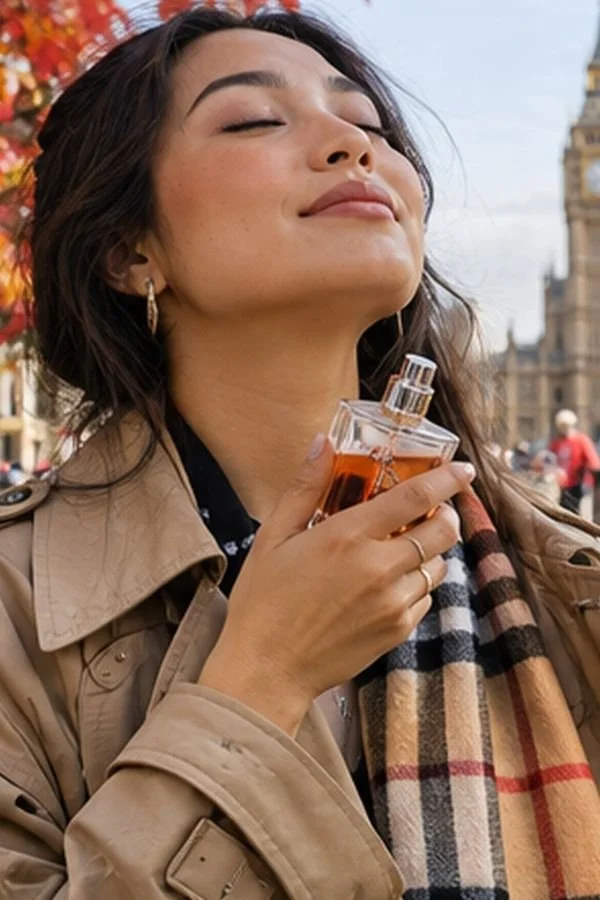
Perhaps one of the most interesting things about perfume is that wearing it and smelling it aren't always quite the same experience.
You may enjoy a fragrance's opening for an hour, then become less aware of it as your nose adapts.
You may notice its bright citrus notes fading while a delicate floral or musk remains.
Or you may discover that your favorite perfume really does have a shorter wear time than you'd hoped.
Each possibility tells you something different.
The next time your perfume seems to disappear after an hour or two, resist the temptation to immediately reach for another spray.
Give the fragrance an opportunity to develop, consider how your nose responds to it, and notice whether a softer scent remains.
If you discover that your perfume genuinely fades quickly, you can decide whether you're happy to refresh it or would prefer a different fragrance.
And if you learn that your nose simply stops noticing a scent that's still present, you may find yourself appreciating your perfume in an entirely new way.
The important thing to remember is that how long you can smell your perfume isn't always the same as how long your perfume remains detectable.
Sometimes a fragrance really has faded.
And sometimes it's still quietly there, even though you've stopped paying attention to it.
Before You Leave the Parlor💕…Don't slip out without signing the guest book — just drop a note in the comments below.
Have you ever stopped smelling your perfume after an hour or two, only to discover that someone else could still smell it?
Tell us which fragrance you were wearing and whether it had really faded—we would love to hear about your experience.
Beauty Starts at the Parlor™.
