
You spray on a beautiful perfume in the morning, but by afternoon, the fragrance seems to have faded. Should your perfume last all day, or is a few hours perfectly normal? Here's what you can realistically expect from your favorite fragrance.
You find a perfume that smells absolutely beautiful.
Perhaps it's a romantic rose fragrance, a creamy vanilla with a little warmth, or an elegant floral that makes you feel wonderfully put together.
You spray it on before leaving the house, enjoy that first lovely impression, and go about your day.
But by the time afternoon arrives, the fragrance isn't nearly as noticeable as it was that morning.
And you begin to wonder.
Shouldn't a good perfume last longer than this?
Especially when you've spent a considerable amount of money on that beautiful bottle.
Here's something that may surprise you: many perfumes remain noticeable on the skin for approximately four to six hours, although lighter fragrances may fade sooner and some richer compositions can last eight hours or longer.
According to The Perfume Society, a fragrance may last four to six hours or more, depending on its ingredients and the condition of your skin.
That means a perfume becoming softer after several hours doesn't necessarily indicate poor quality.
But how do you know whether your perfume is performing as expected?
Let's explore what different fragrance concentrations can offer, why wear times vary, and how to tell whether your perfume has truly faded.
What Does It Mean When a Perfume Lasts?
Before comparing wear times, it helps to understand what perfume longevity actually means.
A fragrance doesn't remain exactly the same throughout the day. Its aromatic materials evaporate at different rates, allowing the scent to change as you wear it.
That beautiful first impression may become softer after an hour, even though plenty of fragrance remains.
1. Perfume Longevity and Projection Are Two Different Things

Have you ever walked past someone and noticed their perfume lingering in the air?
Perhaps it was a beautiful floral, a warm amber, or a rich woody fragrance that seemed to follow them as they moved.
That's an example of fragrance projection and scent trail.
Longevity describes how long a perfume remains detectable after application.
Projection describes how far the fragrance radiates from your skin into the surrounding air.
A perfume might project noticeably for its first two hours, then remain close to your skin for another four.
It hasn't disappeared. It's simply become quieter.
That's why a fragrance doesn't need to fill a room to have good longevity.
Some perfumes are bold and expressive. Others are soft and intimate.
Neither is necessarily better.
2. Your Nose May Stop Noticing Your Perfume
Here's another interesting detail.
Your nose can become accustomed to a fragrance you've been smelling for a while.
This is known as olfactory adaptation, sometimes called nose-blindness.
With continued exposure to the same scent, your sensitivity to it can temporarily decrease.
Research published in The Laryngoscope has documented how prolonged exposure to an odor can reduce our sensitivity to that smell.
So you might think your perfume has disappeared after two hours, even though someone nearby can still detect it.
This is especially worth remembering if you wear the same signature fragrance every day.
The Pretty Skin Parlor™ advice: Don't immediately apply more perfume simply because you can't smell it as strongly. Give your nose a break before deciding whether your fragrance needs refreshing.
How Long Should Different Types of Perfume Last?

Now for the question most perfume lovers really want answered.
How many hours should you reasonably expect from the fragrance you've purchased?
The answer depends partly on its concentration and composition.
Perfumes contain aromatic materials blended into a formula, often with alcohol and sometimes water or other ingredients.
Generally, a higher concentration can contribute to longer wear, but the specific fragrance materials also play an important role.
The following wear times are approximate guidelines, not guarantees.
3. Eau de Cologne: Approximately 1–3 Hours
Eau de Cologne is traditionally one of the lighter fragrance concentrations.
It often has a fresh, refreshing character, with sparkling citrus or aromatic notes.
These fragrances can be lovely for warm afternoons, casual occasions, or anyone who prefers a lighter scent.
A traditional Eau de Cologne may remain noticeable for approximately one to three hours.
That shorter wear time isn't automatically a flaw.
Sometimes the pleasure of a fresh cologne is enjoying its bright, uplifting scent and refreshing it later.
4. Eau de Toilette: Approximately 2–5 Hours
Eau de Toilette, commonly abbreviated as EDT, is a popular choice for everyday fragrance.
It's generally lighter in concentration than Eau de Parfum, although some EDT formulations can still have considerable staying power.
An Eau de Toilette may last approximately two to five hours on the skin.
For example, Mugler's guide to Eau de Toilette describes a typical duration of around three to four hours.
So if you apply an EDT at eight in the morning and find it much softer by lunchtime, that may be perfectly normal.
Some last considerably longer, but expecting every Eau de Toilette to remain strongly noticeable all day may lead to disappointment.
5. Eau de Parfum: Approximately 4–8 Hours
Eau de Parfum, or EDP, generally contains a higher concentration of aromatic materials than Eau de Toilette.
For that reason, it's often chosen by people looking for a fragrance with greater staying power.
Many Eau de Parfum fragrances remain detectable for approximately four to eight hours.
According to Molton Brown's fragrance guide, its Eau de Parfum formulations can provide up to eight hours of wear, compared with around three hours for its lighter Eau de Toilette formulations.
But those figures describe the brand's formulations, not every perfume on the market.
A beautifully constructed Eau de Toilette may actually outlast a particular Eau de Parfum.
The name on the bottle offers guidance, but the formula determines how the fragrance behaves.
6. Parfum or Extrait de Parfum: Approximately 6–12 Hours or Longer
Parfum, sometimes called Extrait de Parfum, is generally among the most concentrated fragrance categories.
Depending on the formula, these perfumes may remain detectable for six to twelve hours or longer.
Some particularly persistent compositions can leave traces beyond that.
According to DermNet's guide to fragrances and perfumes, Parfum can remain noticeable for an average of about eight hours, sometimes considerably longer.
But a highly concentrated perfume isn't necessarily the loudest.
Some Parfums have a rich, intimate character, remaining close to the skin rather than projecting across a room.
If you're looking for a fragrance to accompany you through a long day or special evening, this concentration may be worth exploring.
Just remember that concentration alone doesn't guarantee a particular number of hours.
Why Some Perfumes Last Longer Than Others
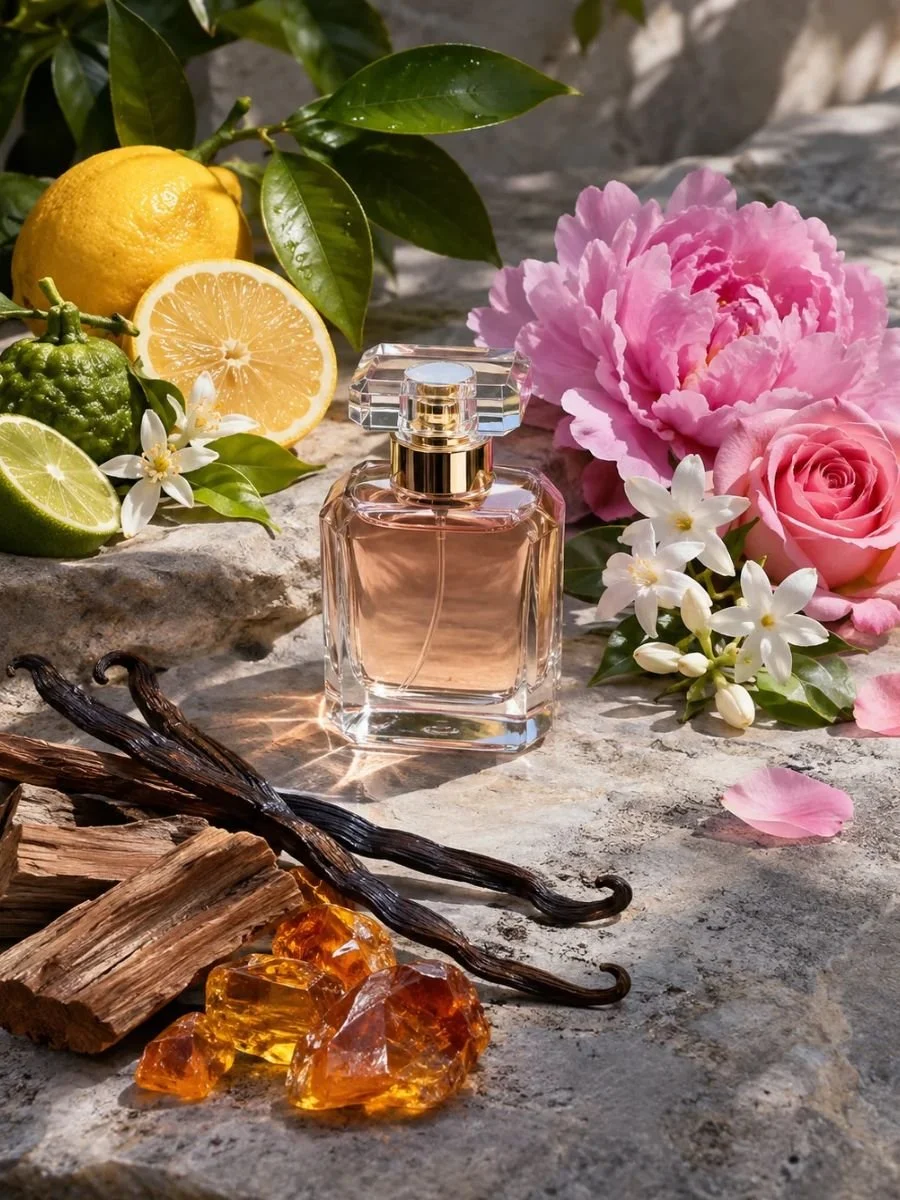
Perhaps you've noticed that a rich vanilla fragrance seems to linger long after a sparkling citrus perfume has faded.
That difference often has something to do with the materials used to create the scent.
Some fragrance molecules evaporate relatively quickly, while others remain detectable much longer.
7. Top, Heart, and Base Notes Have Different Roles
Perfumes are traditionally described in three stages:
Top notes: The opening impression, often bright, citrusy, or fresh. These usually fade first, sometimes within the first few minutes to half an hour.
Heart notes: The central character of the fragrance, which may include florals, spices, or aromatic notes. These become more apparent as the opening settles.
Base notes: The lasting foundation, often associated with woods, musk, vanilla, amber, and resins. Many materials used here evaporate more slowly.
As explained by DermNet, the different evaporation characteristics of fragrance materials help create these stages.
Imagine a perfume that opens with sparkling bergamot, develops into a soft rose bouquet, and eventually settles into warm musk and sandalwood.
After several hours, you may no longer detect the bergamot, but the fragrance hasn't necessarily disappeared.
You're experiencing its dry-down.
The dry-down is the scent that remains after the opening has settled.
A perfume that lasts six hours doesn't have to smell exactly the same for all six hours.
And that's an important distinction when deciding whether you're satisfied with its performance.
8. Your Skin and Daily Activities Can Affect Wear Time
You've probably heard someone say that a particular perfume lasts all day on them, while the same fragrance barely lasts an afternoon on someone else.
Individual differences can be real.
A 2025 study published in the International Journal of Cosmetic Science found that skin hydration, surface roughness, and other characteristics influenced the evaporation of certain fragrance molecules.
The study was small, so its findings don't establish one rule for every person or perfume.
Your surroundings also matter.
Warmth, perspiration, washing, and friction from clothing can change how long a fragrance remains detectable.
For example, perfume applied to your wrists may fade sooner if you wash your hands frequently.
A fragrance worn during a quiet afternoon indoors may also behave differently from one worn during a hot summer day.
That's why someone else's perfume longevity isn't necessarily a reliable prediction of your own.
Is It Normal for Perfume to Last Only Two Hours?

Sometimes, yes.
If you're wearing a light Eau de Cologne, fresh body mist, or delicate Eau de Toilette, two hours of noticeable fragrance may be within the expected range.
But what if you've purchased an Eau de Parfum that seems to disappear almost immediately?
Before deciding the fragrance is disappointing, consider what you're actually noticing.
Has the perfume vanished completely, or has it settled into a soft scent close to your skin?
Can you still detect its base notes when you bring your wrist toward your nose?
Or have you simply become accustomed to smelling it?
These questions can help you distinguish between a fragrance that genuinely fades quickly and one that's becoming less noticeable.
Of course, some perfumes really do have modest longevity, regardless of their price or concentration.
If you're looking for longer wear, testing several fragrances before buying a full bottle can help you find one that better suits your expectations.
Should an Expensive Perfume Last Longer?
It's tempting to believe that a higher price should mean a longer-lasting fragrance.
After all, when you invest in a beautiful luxury perfume, you naturally want to feel that you're getting your money's worth.
But price and longevity aren't the same thing.
The cost of a perfume can reflect ingredients, formulation, packaging, branding, and production.
It doesn't provide a reliable measurement of how many hours the fragrance will last on your skin.
An expensive floral might be intentionally delicate, while a more affordable fragrance may contain aromatic materials that remain noticeable for hours.
Both can be beautiful.
So rather than judging a perfume by its price, think about the kind of fragrance experience you want.
Do you prefer something light and refreshing for daytime?
Would you enjoy a soft fragrance that remains close to your skin?
Or are you looking for a richer scent that can accompany you from dinner until late evening?
Knowing your preferences can help you choose more confidently.
How to Test How Long Your Perfume Really Lasts
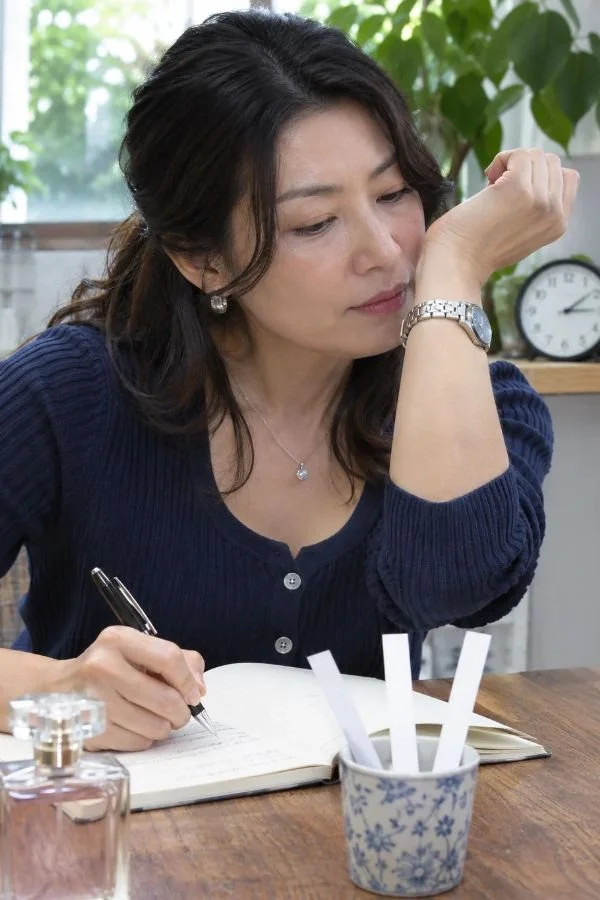
Before deciding that a perfume doesn't last long enough, give it a fair opportunity.
You don't need special equipment or an elaborate experiment.
Just allow your fragrance to accompany you through an ordinary day.
Try this simple test:
Start with clean skin. Apply your perfume using approximately the same amount you would normally wear.
Notice the opening. Enjoy the first impression, but remember that the brightest notes will usually fade first.
Check after one hour. Notice how the fragrance has developed and whether its character has changed.
Check after three or four hours. Bring your wrist toward your nose. Can you still detect the fragrance comfortably?
Check later in the afternoon. At six or eight hours, see whether a trace remains close to your skin.
Avoid constantly sniffing your perfume throughout the day, since repeated exposure can make it harder to judge the scent.
If you'd like another perspective, ask someone you trust whether they can still detect your fragrance, provided they're comfortable doing so.
You can also compare how the perfume behaves on your skin with how it smells on a fragrance blotter, remembering that the two surfaces may produce different results.
This little test is especially useful when considering an expensive perfume purchase.
Instead of making your decision based on the first few minutes at the fragrance counter, ask for a sample if one is available.
Wear the perfume through an ordinary day and pay attention to how it develops.
You may discover that you love the opening but find the dry-down disappointing.
Or perhaps a fragrance that initially seemed rather ordinary becomes beautifully warm and comforting after several hours.
And here's a question worth considering:
Would you rather wear a perfume you absolutely love for five hours, or one that lasts twelve hours but never quite feels like you?
Longevity matters, but so does enjoying the fragrance itself.
Finding the Right Perfume Longevity for You
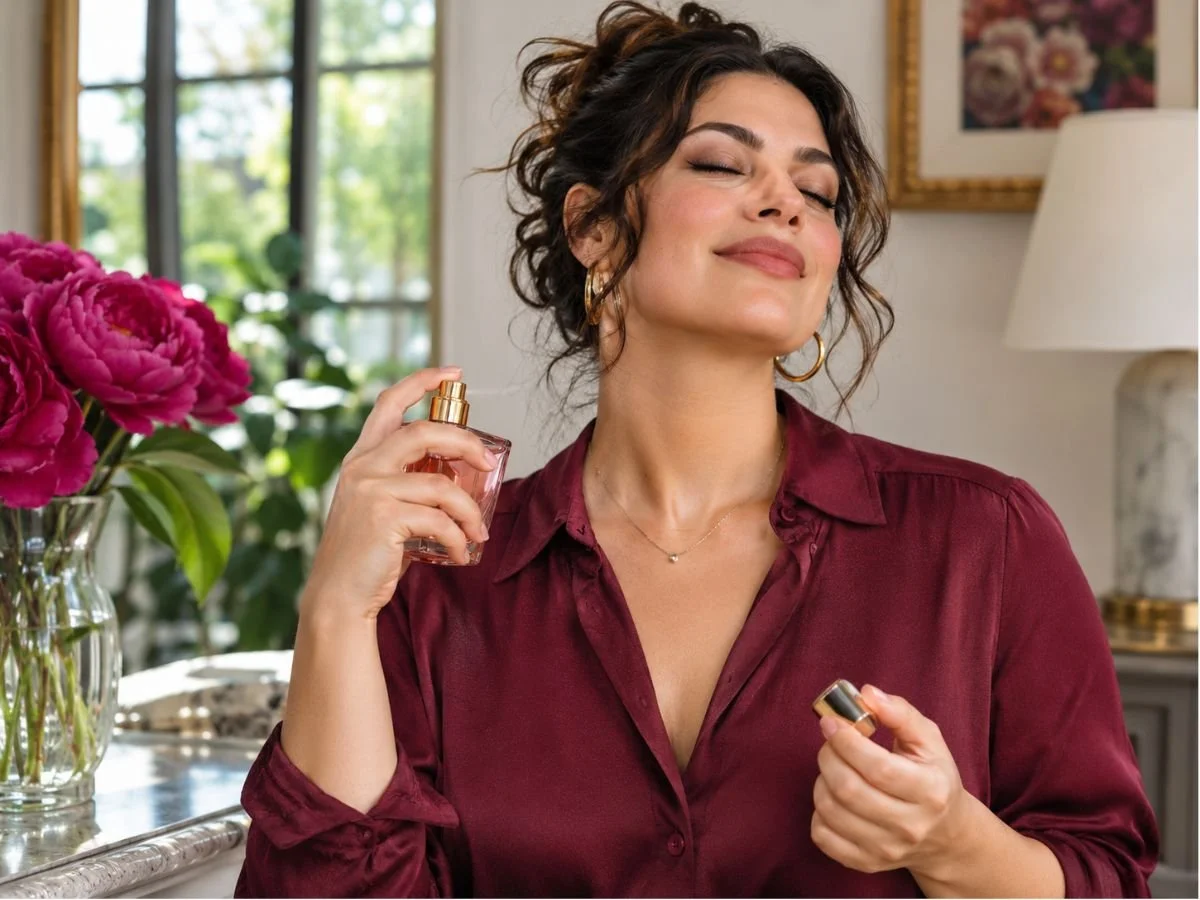
So how long should perfume actually last?
For many perfumes, approximately four to six hours is a reasonable expectation.
Lighter fragrances may remain noticeable for only a couple of hours, while richer or more concentrated compositions can last eight hours or longer.
But these are guidelines, not promises.
The actual wear time depends on the fragrance's composition, your skin, and the conditions in which you wear it.
And just because a perfume becomes softer doesn't mean it has stopped performing.
A fresh floral may gradually settle into a delicate musk. A warm vanilla may leave a comforting trace on your sweater long after its brighter notes have faded.
Those changes are part of the fragrance experience.
If you prefer a perfume that remains noticeable throughout the day, look for compositions with good staying power and test them on your own skin before buying.
If you love delicate fragrances, embrace them—even if that means keeping a small travel bottle nearby for an afternoon refresh.
The best perfume isn't necessarily the one that lasts the longest. It's the one that gives you a scent experience you truly enjoy, for a length of time that suits your expectations.
Once you understand what your fragrance can realistically offer, there's less reason to spend the day wondering whether it's still there.
Sometimes a beautiful perfume doesn't need to last from morning until midnight to leave a lasting impression.
Before You Leave the Parlor💕…
Don't slip out without signing the guest book — just drop a note in the comments below. How many hours does your favorite perfume usually last on your skin?
Does it stay noticeable until evening, or do you find yourself reaching for another spritz by lunchtime?
Tell us which fragrance you're wearing and how long it lasts—we would love to hear about your experience.
Beauty Starts at the Parlor™.
