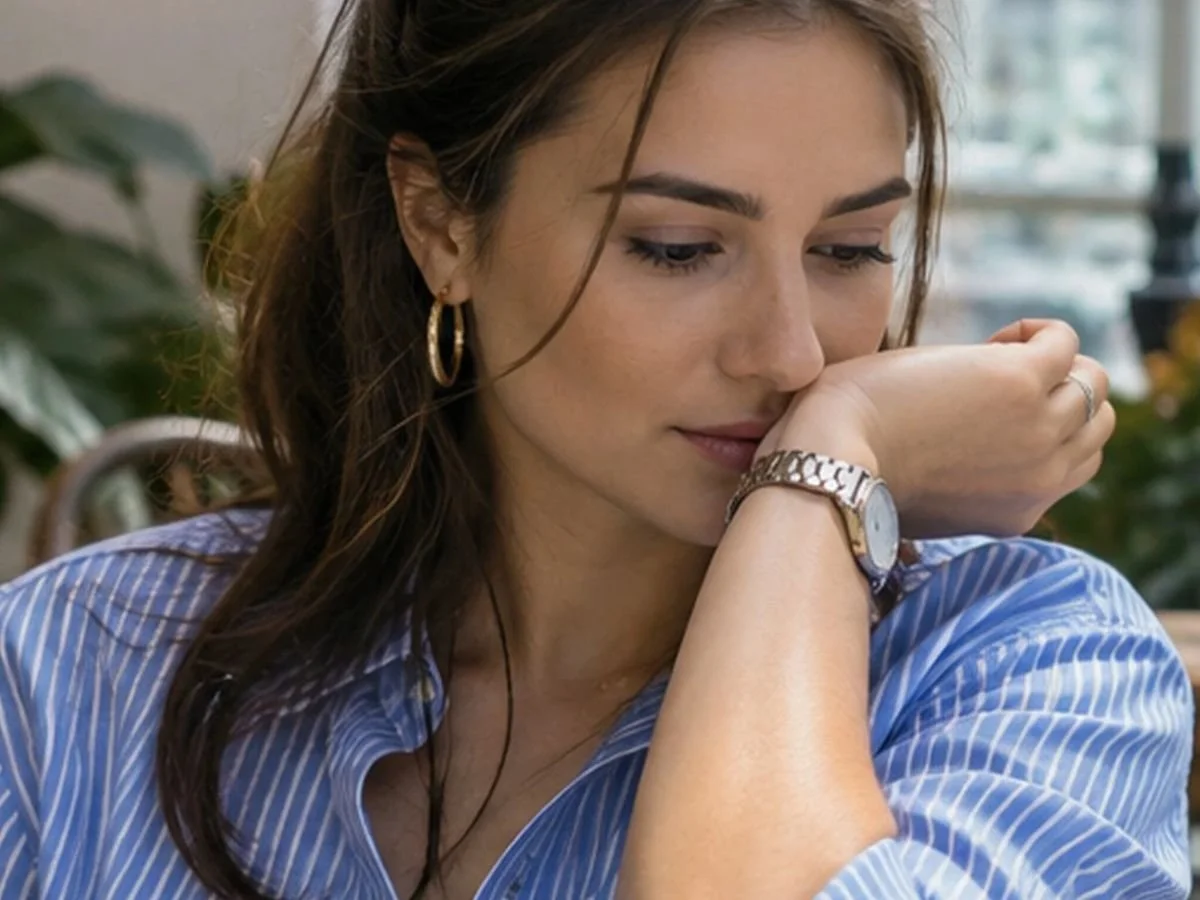
You fall in love with a beautiful fragrance, only to wonder where it went a few hours later. Here’s why your perfume may seem to disappear—and what you can do to help it linger.
You find a perfume you absolutely adore. The first spritz is everything you hoped for. Perhaps it's a soft bouquet of roses, a warm swirl of vanilla, or a fresh, sparkling citrus that makes you feel instantly put together.
You leave the house feeling lovely.
Then lunchtime arrives, you lift your wrist to your nose, and… nothing.
Where did your beautiful perfume go?
If you've ever wondered, "Why doesn't perfume last on me?" you're certainly not alone. And before you give up on your favorite fragrance or spend more money on a supposedly stronger perfume, there are a few things worth understanding.
Perfume longevity depends on your skin, the fragrance's composition, your surroundings, and even your sense of smell. Sometimes your perfume really does fade quickly. Other times, it's still there, but you've stopped noticing it.
Let's explore the difference—and the little changes that may help your favorite scent stay with you longer.
Why Does Perfume Disappear So Quickly?
Before we talk about making perfume last, it helps to understand what happens after that first lovely spritz.
Perfume doesn't remain exactly the same throughout the day. It gradually changes as different aromatic materials evaporate from your skin.
That delicate freshness you noticed immediately after spraying may fade first, leaving behind softer florals, creamy woods, or a whisper of musk.
And sometimes, the perfume hasn't disappeared at all.
1. Your Nose May Have Stopped Noticing Your Perfume
Here's something fascinating: you can become so accustomed to your favorite perfume that you barely notice you're wearing it.
This is called olfactory adaptation, often described as becoming nose-blind to a scent.
When you're exposed to the same fragrance for an extended period, your sense of smell can become less responsive to it. Your perfume may still be present, even though you no longer notice it as clearly.
This is a normal sensory response, documented in research on olfactory adaptation.
Think about walking into a room filled with fresh flowers. At first, their fragrance is unmistakable. After spending some time there, you may hardly notice it.
Your perfume can create a similar experience.
The Pretty Skin Parlor™ advice: Don't immediately reach for another spray simply because you can't smell your perfume. Give your nose a break. You may discover that your fragrance is still noticeable later.
It's also worth remembering that a fragrance doesn't have to fill a room to be present. Some perfumes settle into a soft, intimate scent that is most noticeable close to the skin.
Your Skin Plays a Part in How Long Perfume Lasts
You've probably heard someone say that a particular perfume lasts all day on them, while the very same fragrance seems to disappear on you.
That difference can be real.
2. Dry Skin May Not Hold Fragrance as Well
Your skin provides the surface from which perfume evaporates, and its condition can influence how fragrance materials are released.
A 2025 study published in the International Journal of Cosmetic Science found that skin hydration, surface roughness, and other skin properties can affect the evaporation of certain fragrance molecules. The study was small, so it doesn't establish one simple rule for every perfume or skin type.
Still, it helps explain why the same fragrance may behave differently from one person to another.
If your skin tends to feel dry or tight, applying a moisturizer before your perfume is a sensible place to begin.
A fragrance-free body lotion or cream can provide a more comfortable, moisturized surface for your perfume.
You don't need a complicated routine. Sometimes a small adjustment is enough to make wearing your favorite scent more enjoyable.
3. Your Body Temperature and Daily Activities Matter

Perfume is affected by the conditions around it.
Warmth helps fragrance molecules evaporate and become noticeable in the air. That's part of the reason perfume can seem especially expressive on warm skin.
But warmth, movement, perspiration, washing, and friction can also change how long a fragrance remains detectable.
A perfume worn during a quiet afternoon indoors may behave differently from the same perfume worn during a busy summer day.
Even frequent handwashing can make the fragrance on your wrists disappear sooner.
If your perfume seems to vanish particularly quickly during warm weather or on active days, your surroundings and daily habits may be contributing.
The Perfume Itself May Be Designed to Fade Gently
Not every fragrance is created to make a grand entrance and remain noticeable for hours.
Some are deliberately light, airy, and delicate. Others have richer compositions that linger closer to the skin long after their brighter notes have disappeared.
Understanding the difference can save you from expecting something a perfume was never designed to deliver.
4. Fresh, Citrus, and Delicate Fragrances Can Fade Faster
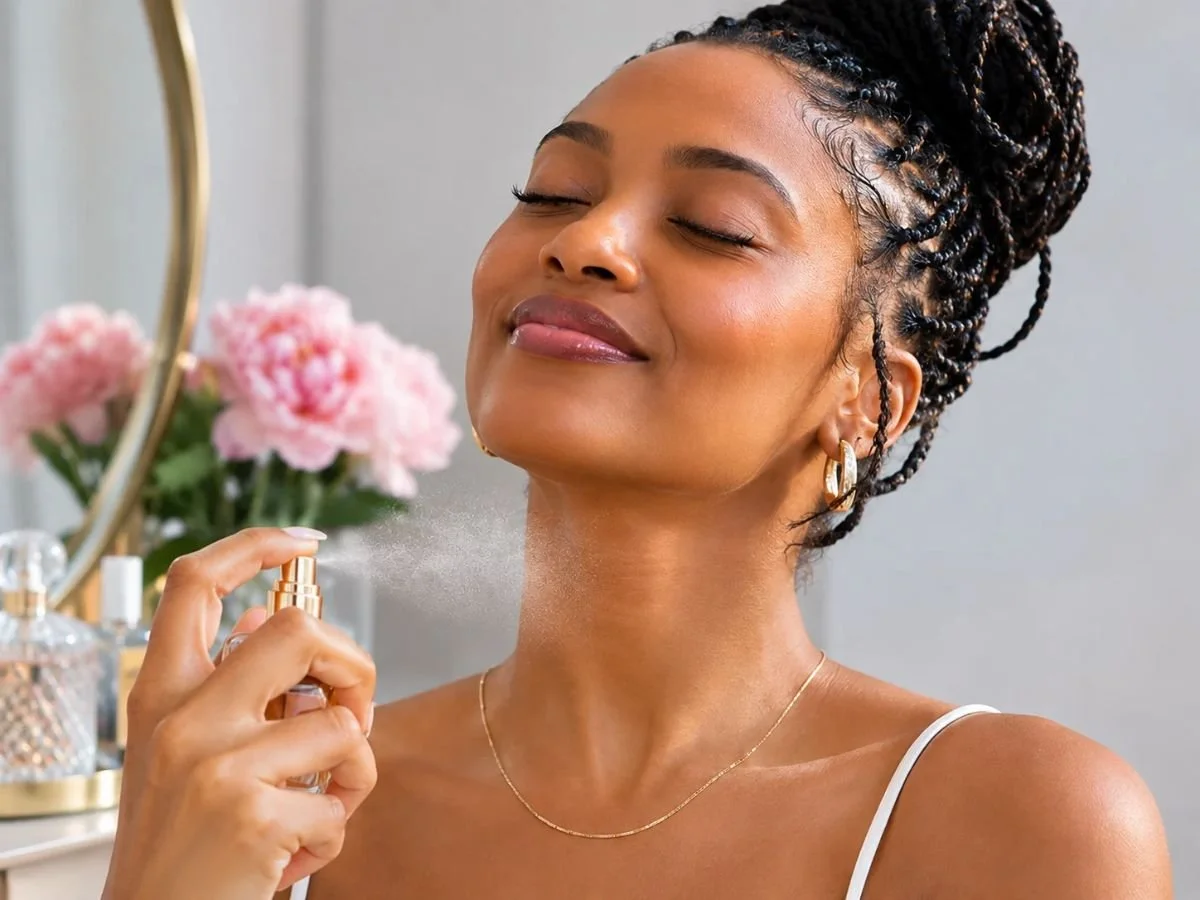
Imagine the brightness of freshly peeled bergamot, the crispness of lemon, or the refreshing impression of a cool morning breeze.
These qualities are beautiful, but many of the aromatic materials responsible for sparkling citrus and fresh openings evaporate relatively quickly.
Perfumes are traditionally described in three stages:
Top notes: The first impression, often bright, sparkling, or fresh. These generally fade first.
Heart notes: The central character of the fragrance, which may feature florals, spices, or aromatic notes.
Base notes: The lasting foundation, often associated with woods, musk, vanilla, amber, and other slower-evaporating materials.
As explained in DermNet's guide to fragrances and perfumes, these stages reflect the different evaporation characteristics of fragrance materials.
So if you adore the sparkling opening of a citrus perfume but find that it disappears, the scent may simply be moving into its softer dry-down.
The dry-down is the fragrance that remains after the initial notes have settled.
And that brings us to an important lesson in perfume shopping: fall in love with the dry-down, not just the first spritz.
A perfume can smell exquisite in the first five minutes and become something quite different an hour later.
5. Your Perfume's Concentration Makes a Difference
Have you ever wondered whether an Eau de Parfum lasts longer than an Eau de Toilette?
Often, it can. But the answer isn't as simple as choosing the bottle with the highest concentration.
Perfumes are commonly sold in several concentrations:
Fragrance typeGeneral characterEau de CologneUsually lighter and less concentratedEau de Toilette (EDT)Often fresh, airy, and suited to lighter wearEau de Parfum (EDP)Generally more concentrated, with potential for longer wearParfum / Extrait de ParfumUsually the most concentrated category, often rich and long-lasting
These classifications are useful guidelines, not guarantees.
A beautifully constructed Eau de Toilette may outlast a particular Eau de Parfum. The actual fragrance materials and formulation matter enormously.
And a stronger concentration doesn't necessarily mean a perfume will project farther.
Longevity describes how long a perfume remains detectable. Projection describes how far its scent travels from your skin.
A soft, close-wearing perfume can have excellent longevity without announcing itself to everyone around you.
How to Make Perfume Last Longer on Your Skin
Now for the lovely part: a few practical changes you can make without replacing your entire fragrance collection.
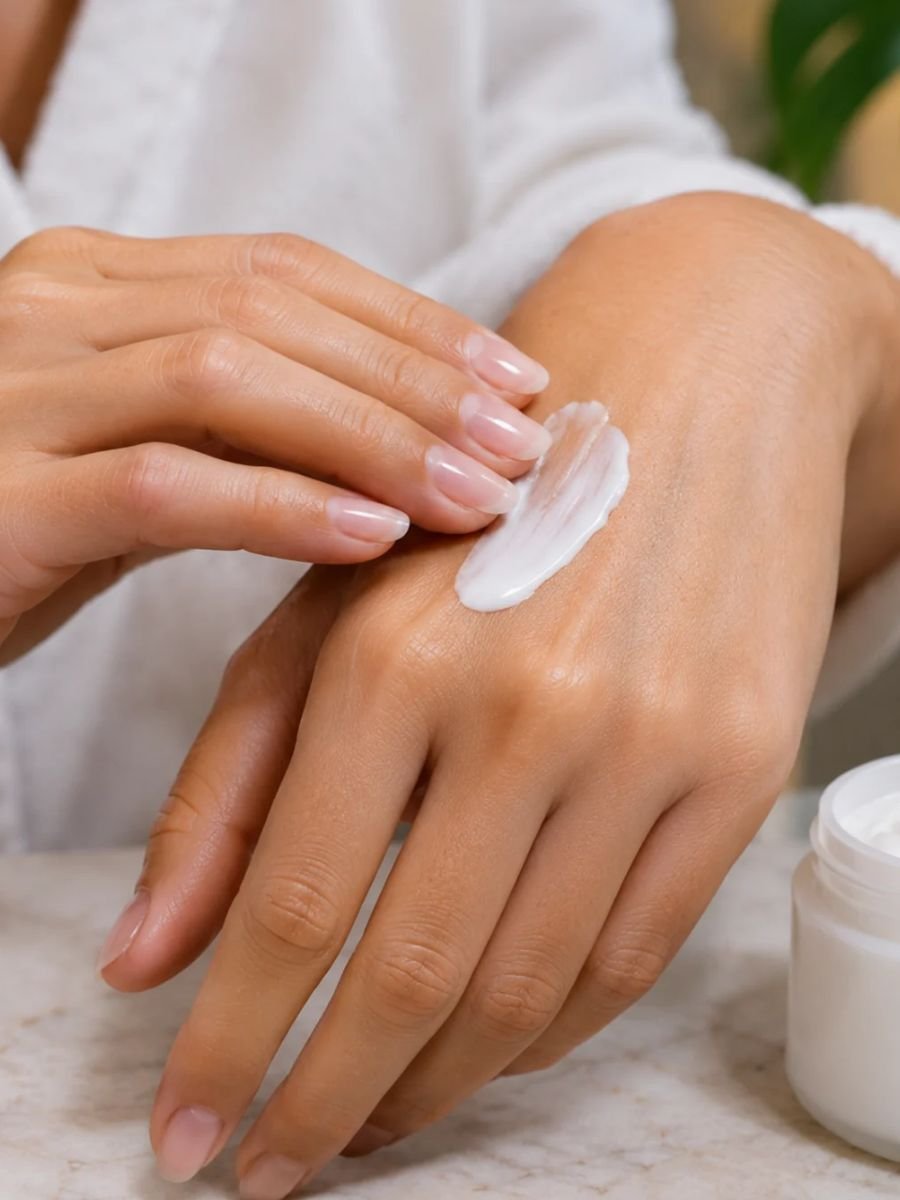
1. Moisturize Before You Spray
One of the easiest habits to try is applying perfume to moisturized skin.
After showering, apply your favorite fragrance-free body lotion or cream and allow it to absorb.
Then apply your perfume.
You can also use a matching scented body lotion if your fragrance collection includes one and your skin tolerates it.
Layering complementary products may help maintain a consistent scent throughout the day, although the result depends on the formulas.
You don't need to coat your skin in petroleum jelly or create an elaborate layering ritual. A comfortable, well-moisturized base is a simple starting point.
2. Choose Your Application Areas Thoughtfully
The wrists and neck are classic perfume application points for a reason: warmth helps a fragrance become noticeable.
But the best application spot isn't necessarily the one that gives you the longest wear.
Consider where your fragrance is least likely to be washed or rubbed away.
The inner elbows or other areas where clothing doesn't constantly create friction may be worth trying.
Avoid spraying irritated or broken skin, and give your perfume a moment to dry before getting dressed.
And what about rubbing your wrists together?
There's no need. Let your fragrance settle naturally rather than immediately rubbing it across your skin.
That familiar wrist-rubbing habit isn't required to activate perfume.
3. Consider a Light Mist on Clothing
Have you ever picked up a scarf or sweater and noticed the beautiful trace of a perfume you wore the day before?
Fabric can sometimes retain fragrance longer than skin.
If the perfume and fabric are compatible, a light mist on clothing may help you enjoy the scent for longer.
But be careful.
Some fragrance formulas can leave marks or damage delicate materials. Always test a small, inconspicuous area first, and avoid spraying perfume directly onto silk, leather, delicate finishes, or jewelry.
You can also allow the fragrance on your skin to dry fully before dressing.
A lingering trace on a favorite cardigan can be delightful, but protecting your clothing comes first.
4. Store Your Perfume Properly
Your perfume may look beautiful displayed beside the bathroom mirror, especially in a vintage-inspired bottle.
Unfortunately, a steamy bathroom isn't an ideal storage location.
Heat, direct sunlight, and repeated temperature changes can affect a fragrance's stability over time.
Keep your perfume in a cool, dry place away from direct sunlight, preferably in its original box or a closed cabinet.
Proper storage won't transform a naturally delicate fragrance into a powerhouse, but it can help protect the perfume you already love.
5. Give Yourself Permission to Reapply
Here's something that often gets lost in conversations about perfume longevity:
Not every fragrance needs to last from morning until bedtime.
A fresh cologne, delicate floral, or airy skin scent may be especially beautiful because of its lightness.
If you enjoy these fragrances, a modest afternoon refresh may be more satisfying than searching endlessly for an identical scent that lasts all day.
A travel-size atomizer can be a practical companion, provided you can refill it safely and the container is appropriate for perfume.
Reapply thoughtfully, especially in shared spaces.
The goal is to enjoy your fragrance, not overwhelm the people around you.
A Simple Test Before Buying Another Perfume
Before deciding that a perfume simply doesn't work with your skin, give it a fair opportunity.
Try this little fragrance experiment:
Start with moisturized skin. Apply a modest amount of your perfume to a clean area of skin.
Notice the opening. Pay attention to the first impression, but don't judge the fragrance by those opening notes alone.
Return to it later. Check how it smells after an hour and again later in the afternoon. Notice whether it has disappeared or simply changed.
Compare carefully. If you wish, test the same fragrance on a suitable fabric swatch or perfume blotter. Differences may help you understand how the scent behaves on different surfaces, although they won't provide a precise measure of longevity.
If your perfume is still detectable on fabric but fades quickly on your skin, your skin and daily activities may be influencing its wear.
If you can barely smell it but someone else can detect it comfortably, olfactory adaptation may be playing a part.
And if the scent becomes faint everywhere, it may simply be a lighter fragrance.
This is also a useful exercise when considering an expensive perfume purchase.
Don't decide at the fragrance counter based only on the opening. If possible, take a sample home and wear it through an ordinary day.
Give the fragrance time to reveal its personality.
What If You Suddenly Can't Smell Your Perfume at All?
There's an important distinction between becoming accustomed to your perfume and experiencing a broader change in your sense of smell.
If you suddenly find that you cannot smell your perfume or other familiar things—such as coffee, flowers, or food—it may be more than ordinary olfactory adaptation.
Changes in smell can have several causes, including respiratory infections and other medical conditions. The National Institute on Deafness and Other Communication Disorders recommends medical evaluation for changes in your sense of smell.
Similarly, if perfume causes itching, redness, or a rash, stop applying it to your skin. Fragrance ingredients can trigger contact dermatitis in some people, according to the American Academy of Dermatology.
A beautiful fragrance should be a pleasure to wear, not a source of discomfort.
Finding a Perfume That Truly Suits You
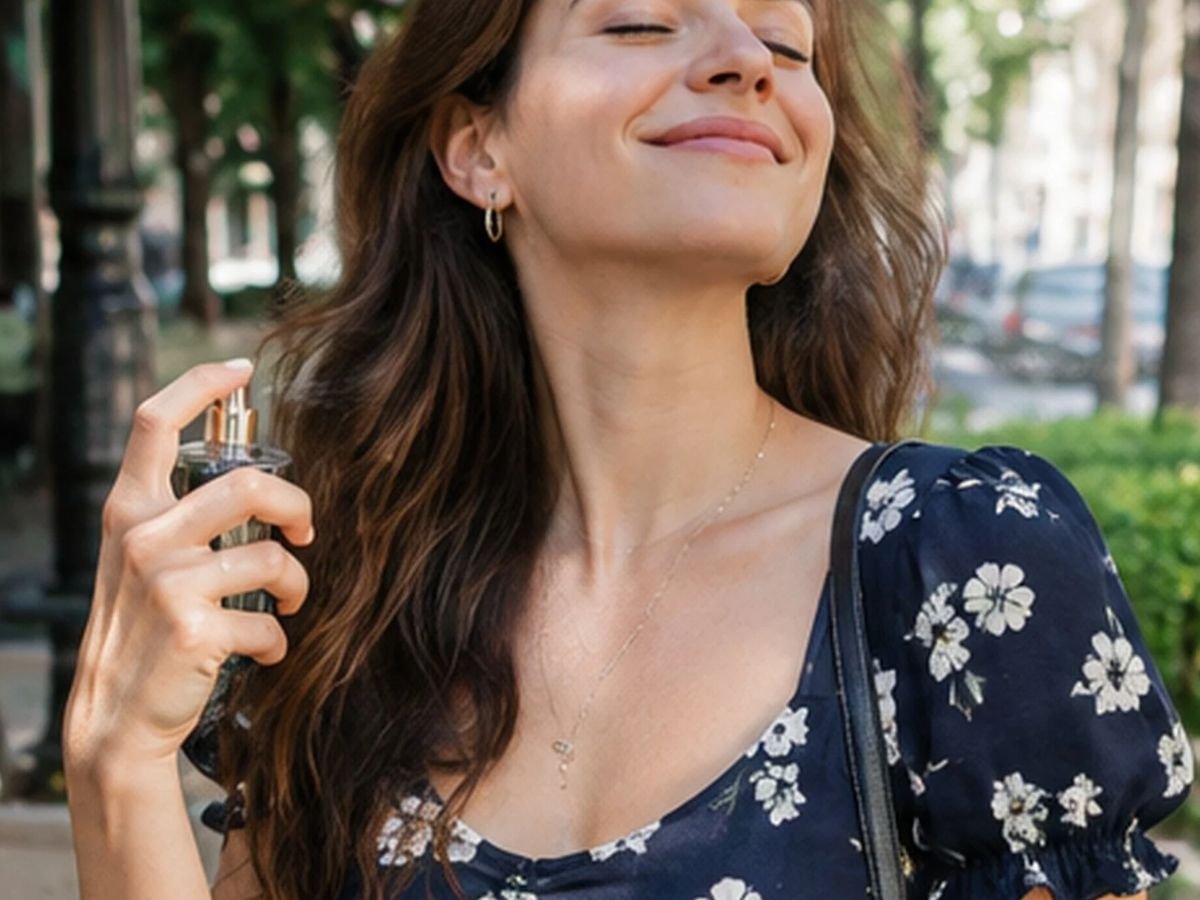
Perhaps the most useful thing to remember is that a perfume's staying power is only one part of its beauty.
Some fragrances are wonderfully expressive, filling the air with warmth and character. Others remain quiet and personal, revealing themselves only when someone comes close.
Neither style is inherently better.
If you want a fragrance that lasts longer, look beyond the opening notes. Explore the composition, compare concentrations, moisturize your skin, and test the perfume over several hours before buying.
If you prefer something soft and fresh, embrace that preference—even if it means keeping a small bottle nearby for an afternoon refresh.
And remember, a scent becoming less noticeable to you doesn't necessarily mean it's gone.
Sometimes the most beautiful perfume is the one that settles gracefully into your day.
The secret isn't always finding a stronger perfume. It's understanding how your fragrance behaves and choosing the kind of scent experience that makes you happiest.
Before You Leave the Parlor💕… Don't slip out without signing the guest book — just drop a note in the comments below. Does your favorite perfume stay with you all day, or does it seem to disappear after just a few hours? Tell us which fragrance you're wearing in the comments—we would love to hear about your experience.
Beauty Starts at the Parlor™.
